

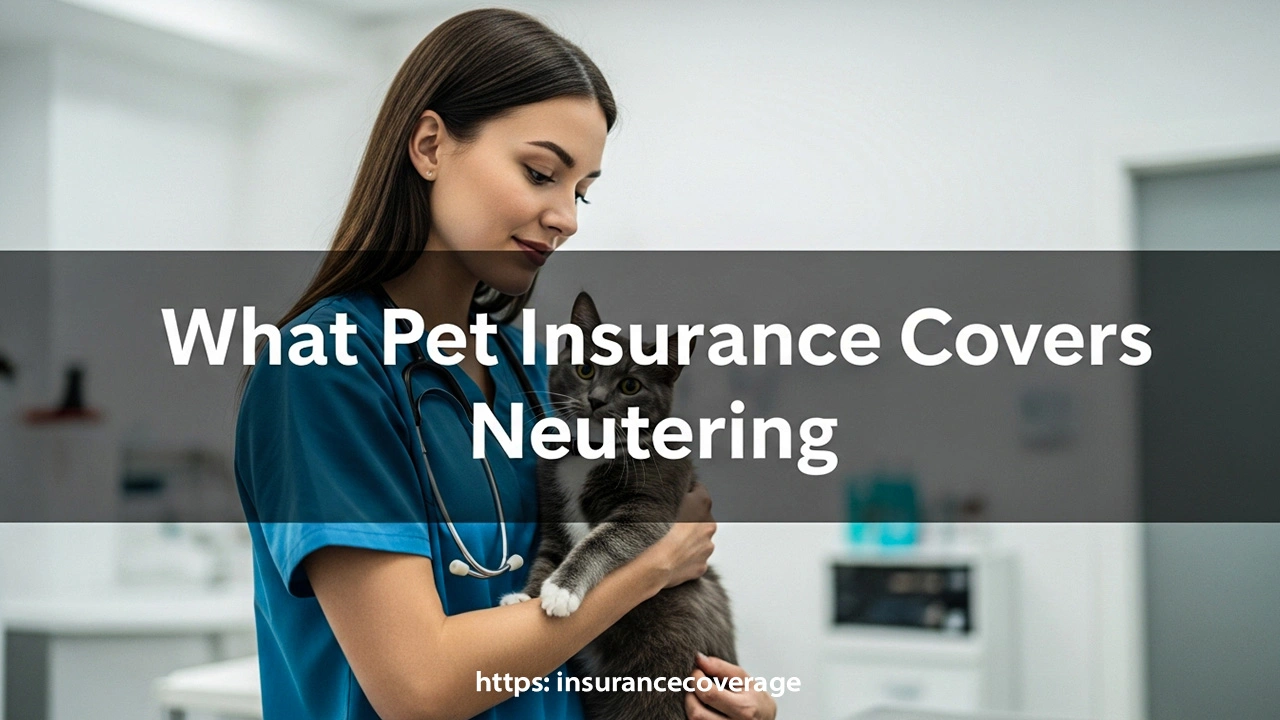
Neutering your cat or dog is a responsible step for health and population control, but the cost can catch many pet owners off guard. While routine, spaying and neutering procedures are not emergencies, they still require surgery, anesthesia, and post-op care, which adds up quickly. Understanding what pet insurance covers neutering can help avoid unexpected vet bills. Pet insurance plans vary, and for preliminary guidance on medical decisions and coverage, tools like a tele-health guide can be helpful before committing to a plan.
What Pet Insurance Covers Neutering: Key Insights
So, what pet insurance covers neutering? Most standard accident-and-illness pet insurance policies do not automatically include neutering or spaying. These procedures are typically classified as preventive or routine surgeries. However, some insurers offer wellness or preventive care add-ons that can cover neutering costs, sometimes reimbursing a portion of the surgery and associated vet fees.
Policies that do cover neutering often require specific conditions: the procedure must be vet-approved, the pet must meet age requirements, and any pre-existing conditions might limit coverage. For owners of both cats and dogs, adding a preventive care rider can save hundreds of dollars while ensuring the pet receives proper surgical care.
How Neutering Coverage Differs Between Cats and Dogs?
Cat neutering insurance and dog neutering insurance may have different terms and limits. For cats, the procedure is usually less expensive, and coverage may be easier to include in a wellness plan. Dog neutering insurance often involves slightly higher costs because surgeries are more complex for larger breeds, and post-op care might require additional medication or follow-ups.
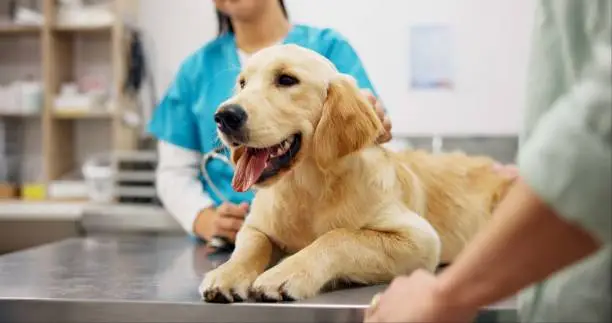
A typical preventive care plan might reimburse between 70% to 90% of the neutering cost after any deductible. If you’re balancing multiple insurance policies at home, it’s useful to consider house owner insurance cover and budget accordingly.
Vet Surgery Insurance and How It Handles Routine Procedures?
Vet surgery insurance is usually designed to cover unexpected events like injuries or illness-related surgeries. Routine surgeries such as neutering fall outside this coverage unless a preventive care add-on is purchased. It’s worth asking insurers about coverage specifics, like anesthesia fees, pain medication, and post-operative check-ups, because these often make up a significant part of the total bill.
Here’s a comparison of standard vs. preventive care coverage for neutering:
| Coverage Type | Neutering Covered? | Typical Reimbursement | Notes |
|---|---|---|---|
| Accident & Illness Only | No | N/A | Only covers illness or injury |
| Preventive Care Add-On | Yes | 70–90% | Covers spay/neuter, vaccinations, routine tests |
| Full Wellness Plan | Yes | Up to 100% | May include wellness exams and microchipping |
Pre-Existing Conditions and Neutering Coverage
Pre-existing conditions can impact neutering coverage. If your pet has a diagnosed health issue prior to policy enrollment, some insurers may exclude any surgery related to that condition. This is important to keep in mind if your cat or dog has chronic issues that could complicate anesthesia or surgery.
Understanding exclusions helps prevent surprises during claims. Policies may also have a waiting period for preventive care coverage, meaning neutering performed immediately after enrollment might not be reimbursed.
Reimbursement and Deductibles for Neutering
Reimbursement for neutering through pet insurance varies. Most preventive care add-ons reimburse a percentage of costs after deductibles. For example, if a neutering procedure costs $300 and your plan covers 80% with a $50 deductible, you would be reimbursed $190.
Here’s a simple table to illustrate:
| Procedure Cost | Deductible | Coverage % | Reimbursement |
|---|---|---|---|
| $250 | $50 | 80% | $160 |
| $300 | $100 | 70% | $140 |
| $400 | $75 | 90% | $292.50 |
Deductibles and coverage percentages vary by insurer, so comparing pet insurance claims policies for neutering is essential. Questions like <a href=”/can-i-cancel-pet-insurance-anytime”><b>can i cancel pet insurance anytime</b></a> should also be considered when planning long-term coverage.
Routine Surgery vs. Emergency Surgery Coverage
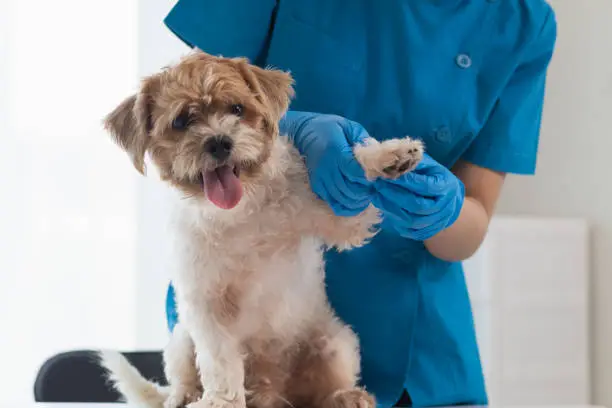
Pet insurance for routine surgery like neutering is different from emergency surgical coverage. Standard accident-and-illness plans are designed for unexpected events, like fractures or illness-related procedures. Including routine surgeries in your coverage usually requires a wellness rider or dedicated preventive care plan.
While emergency surgeries are usually high-cost events, routine surgeries are predictable, making it easier to budget or select an insurance plan specifically designed to cover them. Pet owners should check whether spaying and neutering pet insurance is included in the base plan or if additional premiums are required.
Cost Considerations and Avoiding Surprises
Unexpected vet bills for neutering can range from $150 to over $500 depending on the pet’s size, breed, and location. Even with insurance, knowing your plan’s limits, deductibles, and coverage percentages helps avoid surprises. For multi-pet households or those managing several insurance policies, it’s smart to compare preventive coverage with other plans like auto insurance to understand how it fits into overall expenses.
Owners should also consider age and health. Young, healthy pets are generally ideal candidates for preventive care coverage, while older pets may face restrictions or exclusions for neutering.
Choosing the Right Plan for Your Pet
When choosing a pet insurance plan, consider these key questions:
- Does the plan cover preventive surgeries like neutering?
- What is the reimbursement percentage for routine procedures?
- Are there waiting periods or age restrictions?
- Are there exclusions for pre-existing conditions or breed-specific risks?
- How do deductibles and annual limits affect out-of-pocket costs?
Comparing plans using online tools or insurance comparison websites can help find a policy that balances cost and coverage effectively. A well-chosen policy provides peace of mind, ensuring your cat or dog receives necessary routine care without breaking the budget.
Benefits Beyond Cost Coverage
Pet insurance coverage for neutering does more than just reduce costs. It encourages regular veterinary care and allows pet owners to focus on the pet’s health rather than finances. Policies that include preventive care may also cover other essential services like vaccinations, micro chipping, and wellness exams.

When considering long-term health, preventive coverage can help detect potential health issues early, further saving money on unexpected vet visits.
Final Thoughts
So, what pet insurance covers neutering? It largely depends on the type of plan you choose. While standard accident-and-illness policies generally exclude routine procedures, wellness or preventive care add-ons can cover neutering, spaying, and associated care costs. Understanding your plan’s coverage, waiting periods, and exclusions ensures no unexpected surprises at the vet.
Budgeting for preventive care, comparing policies, and considering your pet’s age and health history can make neutering insurance worth it, offering both financial relief and peace of mind. Knowing exactly what pet insurance covers neutering allows pet owners to focus on their furry friend’s health instead of worrying about the bill.