
Insurance coverage is one of those things most people carry for years without fully trusting they understand it. Policies pile up, terms blur together, and you only really look closely when something goes wrong. By then, gaps show up fast. This guide is written from the point of view of someone who has actually read policies, asked uncomfortable questions, and learned where coverage ends the hard way. It’s meant to sit at the center of a site as pillar content, tying different types of insurance together without pretending any of them are perfect or “complete.”
At the center of all of them is insurance coverage itself. Not the marketing version of it, but the real structure: policy coverage, insured risks, coverage limits, deductible amounts, exclusions and limitations, premium costs, claim coverage rules, and how insurance benefits are actually paid. Insurance is not about how many policies you own. It’s about how those policies connect, where they stop, and where responsibility shifts back to you.
Types of Insurance Coverage:
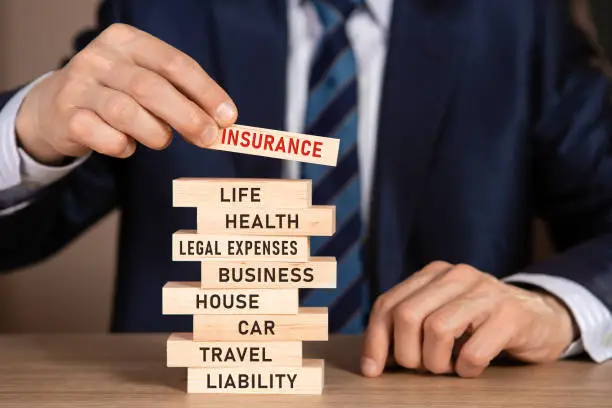
Thera re many types of insurance but we dicsused some of major important insurance types which we used in daily life. Such insurance types are mentioned below:
- Auto insurance
- Home insurance
- Travel insurance
- Pet insurance
- Health Insurance
- Life Insurance
Each type exists because the risks involved are different and can’t realistically be handled under a single policy. Some coverage protects physical property, some protects health and income, and others are designed to handle responsibility toward other people.
Auto Insurance Coverage and the Myth of “Full Coverage”
People talk about full coverage insurance as if it’s a standard package. It isn’t. There’s no legal or industry definition for what is full coverage car insurance. When someone asks what is full coverage auto insurance, they’re usually describing a mix of liability, collision, and comprehensive coverage bundled together. So when you hear questions like what does full coverage car insurance mean or what is considered full coverage insurance, the honest answer is that it depends on what the policy includes. For most drivers, full coverage on car insurance means liability coverage plus collision coverage and comprehensive coverage. Nothing more official than that.
Liability insurance is required in most places, but liability insurance alone is not full coverage. It only pays for damage or injury you cause to others. Collision insurance- coverage handles damage to your own vehicle when you hit something. Comprehensive auto insurance coverage pays for non-collision events like theft, fire, flooding, or falling objects. People also ask for comprehensive insurance full coverage. On its own, no. It’s one piece. The same goes for collisions.
What Full Coverage Auto Insurance Covers (and Doesn’t)
Questions like what does full coverage auto insurance cover or what is included in full coverage auto insurance come up because the phrase sounds absolute. It isn’t. Even with full coverage automobile insurance, exclusions and limitations still apply. Wear and tear, mechanical failure, and personal belongings inside the car usually aren’t covered.
Rental cars cause confusion too. Many ask, does full coverage insurance cover rental cars? Sometimes yes, sometimes no. Some policies extend coverage, others don’t. Credit card CDW insurance coverage can overlap here, which adds another layer of uncertainty. If a car is totaled, people want to know how full coverage insurance works if the car is totaled. The insurer pays the actual cash value of the vehicle, not what you paid for it. That gap between loan balance and payout is where gap auto insurance-coverage matters.

Cost, Need, and How to Tell What You Have
Pricing questions are common. How much is full coverage auto insurance depends on the deductible amount, coverage limits, location, driving record, and vehicle value. Used cars usually cost less to insure, which is why people ask how much is full coverage insurance on a used car.
Many drivers don’t even know what they carry. How do I know if I have full coverage insurance usually comes down to reading the declarations page. If collision and comprehensive are listed, that’s what most insurers call full auto insurance.
As for how much auto insurance- coverage you need, that depends less on the car and more on your financial exposure. Minimum limits protect other people, not you. Higher liability coverage protects assets you already have.
Travel Insurance Coverage: Short Trips, Real Risks
Travel insurance feels optional until it isn’t. Trip cancellation coverage matters when illness, weather, or family emergencies derail plans. Travel medical insurance matters when you’re outside your normal healthcare system. Emergency evacuation coverage can be life-saving and wildly expensive without insurance protection. Baggage loss protection sounds minor until essential items disappear mid-trip. Travel insurance claims are often denied because of timing issues or missing documentation, which frustrates people who assumed coverage was automatic. Travel insurance is narrow by design. Policy coverage focuses on specific insured risks. Anything outside that list usually falls under exclusions and limitations.
Health Insurance Coverage and Its Limits
Health insurance-coverage is complex because it blends medical care with financial rules. Health insurance policies are built around networks, deductibles, copayments, and claim reimbursement systems. People asking what is HMO insurance and they are asking about restrictions on network providers. Health insurance companies can deny coverage under certain conditions, though laws around pre-existing condition exclusion have changed in many regions. Still, people worry about when health insurance ends, especially during job changes.
Medical insurance rarely feels generous. Premium costs rise, deductibles reset yearly, and coverage limits show up at the worst moments. AD&D insurance- coverage exists alongside health plans but only applies to very specific outcomes.
Pet Insurance Coverage: Helpful but Narrow
Pet insurance looks simple until you read the fine print. Veterinary expense coverage usually falls under accident and illness coverage, with reimbursement models instead of direct payment. Pre-existing condition exclusion is where most owners feel burned.
Pet medical insurance helps manage unexpected bills, not routine care unless add-ons are purchased. Pet insurance reimbursement often comes weeks after payment, which matters if cash flow is tight.

Home Insurance Coverage and Realistic Limits
Homeowners insurance is built around dwelling protection, personal property coverage, liability protection home insurance, and additional living expenses. Dwelling coverage in home insurance refers to the structure itself, not what’s inside it. People ask how much home insurance coverage do I need because underinsuring is common. Market value and rebuild cost are not the same. Personal property coverage often defaults to percentages that don’t match reality. Renters insurance works similarly but focuses more on personal liability coverage for renters insurance and belongings. Many underestimate how much renters insurance- coverage they need until something goes wrong.
Comparison Table: Insurance Coverage Across Types
| Insurance Type | Primary Coverage Types | Common Gaps | Who It’s For |
|---|---|---|---|
| Auto Insurance | Liability, collision, comprehensive | Mechanical failure, depreciation | Vehicle owners |
| Travel Insurance | Trip cancellation, medical, evacuation | Known events, policy timing | Travelers |
| Health Insurance | Medical expense coverage | Out-of-network care | Individuals and families |
| Pet Insurance | Accident and illness coverage | Pre-existing conditions | Pet owners |
| Home Insurance | Dwelling, liability, ALE | Floods, earthquakes | Homeowners |
| Life Insurance | Death benefit | Living expenses | Dependents |
Business Insurance Coverage
Business insurance-coverage exists because personal insurance stops protecting you once activities turn commercial. Even small businesses face risks tied to customers, contracts, and day-to-day operations. Commercial insurance isn’t a single policy but a collection of protections built around how a business runs. Commercial general liability insurance-coverage is usually the foundation. It handles third-party injuries, property damage, and legal costs that come from normal business activity. A client slipping in a workspace, damage caused during a service call, or a dispute over advertising claims can all lead to lawsuits. Without this policy coverage, legal fees alone can become overwhelming before responsibility is even decided.
Professional, Leadership, and Interruption Coverage
Some risks don’t come from accidents but from decisions and downtime. Business interruption insurance coverage helps replace lost income when operations stop due to covered events like fires or severe damage. This type of insurance protection often matters more than property coverage because fixed expenses continue even when revenue stops. Professional service providers rely on E&O insurance coverage to handle claims tied to errors, missed details, or advice that caused financial loss. For companies with boards or executives, directors and officers, insurance-coverage shields individuals when decisions are questioned by shareholders, employees, or regulators. These coverage types don’t prevent disputes, but they limit how much damage a single claim can do to the business itself.
Other Coverage Types That Fill Gaps
Umbrella insurance-coverage extends liability protection beyond auto and home policies. People ask do I need umbrella insurance when assets grow and risks increase. Commercial insurance matters for business owners. Commercial general liability insurance protects against lawsuits. Business interruption insurance-coverage helps when operations stop. E&O coverage and directors and officers insurance protect decision-makers, not just companies.
Uninsured motorist insurance matters more than people realize. CDW insurance-coverage overlaps with auto policies. FDIC insurance protects bank deposits, not investments. Verification matters too. Knowing how to verify coverage avoids surprises when filing claims.
Conclusion
Insurance-coverage looks simple from a distance, but it rarely stays that way once real life gets involved. Each category auto, home, travel, pet, health, life, and businesscovers a different kind of risk, and none of them cover everything. Policy coverage is shaped by limits, deductibles, and exclusions that only matter when a claim is filed. Many people assume they are protected because they have a policy, only to realize later that the protection was narrower than expected.
The value of insurance protection comes from knowing where it applies and where it stops. Coverage limits should match real exposure, not just minimum requirements. Gaps should be intentional, not accidental. Insurance benefits work best when policies are chosen with a clear understanding of insured risks and claim coverage, not guesswork. Taking the time to understand insurance upfront is often the difference between a manageable setback and a financial problem that lingers for years.