
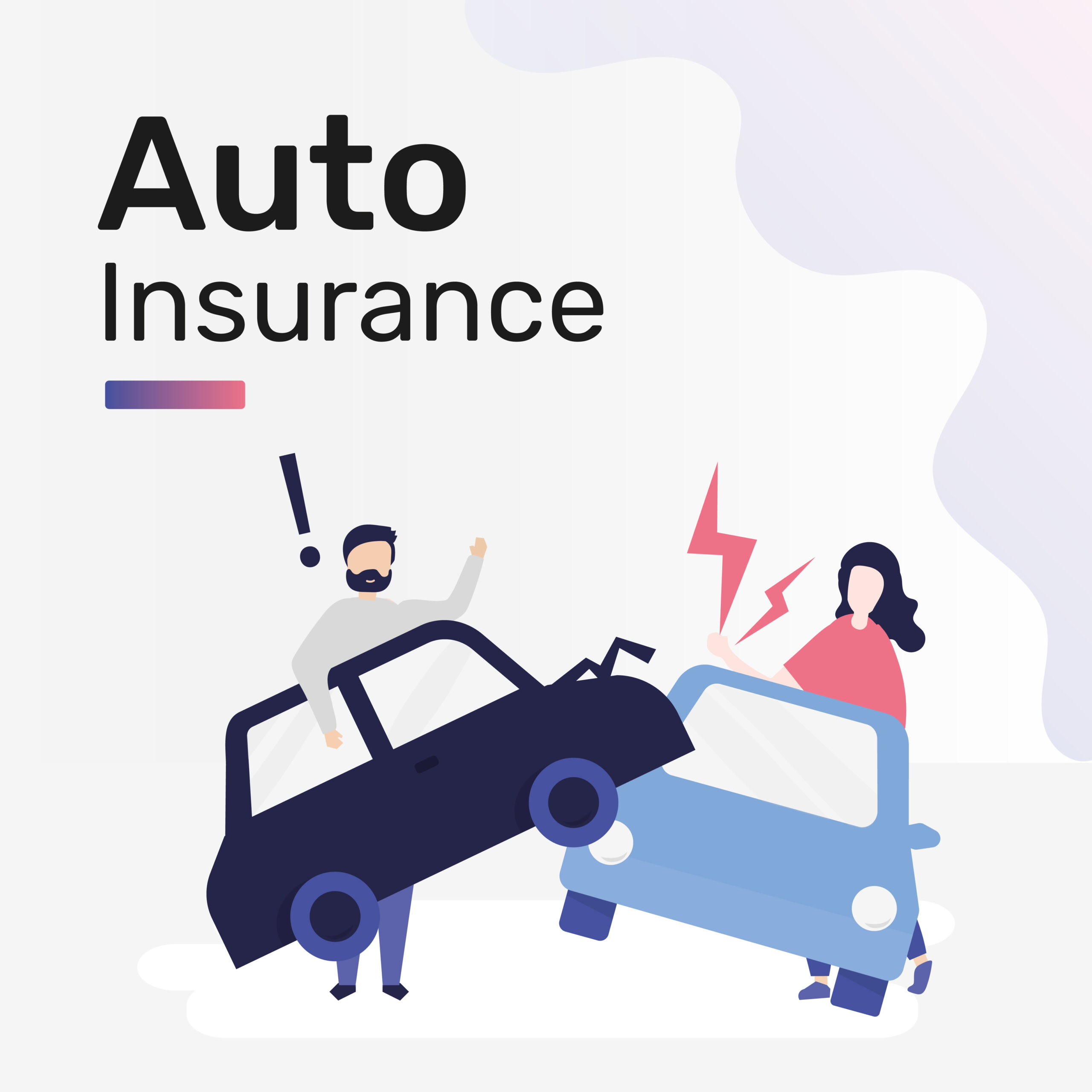
Auto Insurance is a legal and financial contract between you and an insurance company. You pay a premium, and in return, the insurer agrees to cover specific costs related to accidents, vehicle damage, theft, or liability claims.
In modern driving environments, Insurance is no longer optional it is a legal requirement and a financial safeguard. Much like relying on health insurance travel insurance tips when planning international trips, having the right vehicle coverage protects you from unexpected and costly situations.
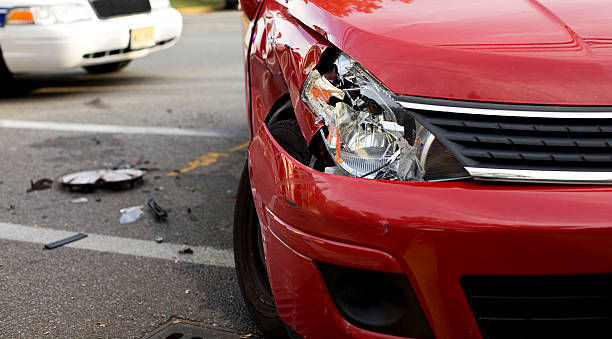
What Is Auto Insurance and How It Works
An Insurance policy is designed to protect drivers, passengers, and vehicles from financial loss. The structure of most policies includes:
- Premium: The monthly or annual amount you pay for coverage
- Deductible: The amount you pay out-of-pocket before coverage applies
- Coverage Types: Liability, collision, comprehensive, personal injury protection, and uninsured motorist coverage
This system ensures that accidents or vehicle damage do not turn into long-term financial hardship.
Why Auto Insurance Is Legally and Financially Essential
Across Tier-1 countries such as the United States, Canada, the United Kingdom, and Australia, carrying Insurance is mandatory by law. Driving without coverage can result in heavy fines, license suspension, or legal consequences.
Real-world cost examples:
- Average U.S. accident damage exceeds $4,000
- Collision repairs in Canada average $3,500
- UK car insurance claims often surpass £2,000
- Australia faces high claims due to floods and hailstorms
Without Insurance, these costs fall entirely on the driver making coverage a financial necessity, not just a legal one.
Types of Auto Insurance Coverage Explained
Understanding coverage types helps you choose the right Insurance policy for your needs:
- Liability Coverage: Pays for damage or injuries you cause to others
- Collision Coverage: Covers repairs to your car after an accident
- Comprehensive Coverage: Protects against theft, fire, vandalism, and natural disasters
- Personal Injury Protection (PIP): Covers medical expenses for you and passengers
- Uninsured/Underinsured Motorist Coverage: Protects you if the other driver lacks sufficient insurance
Drivers seeking affordability often start with liability-only plans, while full coverage is recommended in high-risk or extreme-weather regions.
Auto-Insurance Coverage Comparison
| Coverage Type | What It Covers | Best For |
|---|---|---|
| Liability | Damage and injuries to others | Legal compliance |
| Collision | Vehicle repair after accidents | Newer vehicles |
| Comprehensive | Theft, fire, weather damage | High-risk areas |
| Personal Injury Protection | Medical expenses | Passenger protection |
| Uninsured Motorist | Accidents with uninsured drivers | Urban driving |
This table highlights how different auto insurance options serve different driving needs, from basic liability coverage to more comprehensive plans designed for higher-risk situations. While auto insurance protects drivers from financial loss on the road, health insurance plays an equally important role by covering medical expenses after accidents or unexpected illnesses, helping individuals avoid heavy out-of-pocket costs. Together, these insurance types form a stronger safety net, ensuring protection for both your vehicle and your overall well-being.
How to Choose the Best Auto-Insurance Policy
Selecting the right Auto-Insurance policy requires thoughtful comparison, similar to applying simple hacks for car insurance to lower costs without sacrificing coverage.
Key steps include:
- Comparing car insurance quotes from multiple providers
- Reviewing coverage limits and exclusions
- Checking insurer reputation and claim satisfaction
- Looking for safe-driver, multi-vehicle, and bundling discounts
Even when searching for cheap car insurance, coverage quality should never be compromised.
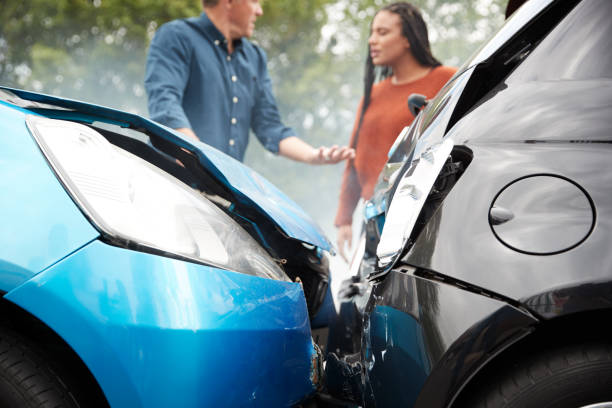
Benefits of Auto-Insurance for Drivers
Having Auto car Insurance delivers several long-term benefits:
- Financial Protection: Covers accident repairs, theft, and liability claims
- Legal Compliance: Avoids penalties and license issues
- Peace of Mind: Reduces stress during emergencies
- Extra Services: Roadside assistance, rental reimbursement, and accident forgiveness
Just as families rely on a life insurance plan for families to secure their future, drivers depend on car insurance for daily financial protection, while travellers often turn to cruise travel insurance for coverage against unexpected events at sea.
Tips to Reduce Auto car Insurance Costs
Lowering Auto Insurance premiums doesn’t mean lowering protection:
- Maintain a clean driving record
- Choose higher deductibles if financially feasible
- Bundle policies for discounts
- Review your policy annually
- Use usage-based or telematics programs for low-mileage savings
These strategies help drivers secure cheap car insurance while keeping strong coverage.
Final Thoughts
Choosing the right Auto-Insurance policy protects your vehicle, finances, and legal standing. Whether you’re a first-time driver, upgrading coverage, or switching insurers, understanding policy details and comparing options is critical. Smart drivers don’t just chase the cheapest price they balance affordability, coverage quality, and insurer reliability. With the right Auto Insurance, you can drive confidently knowing you’re protected in every situation.