


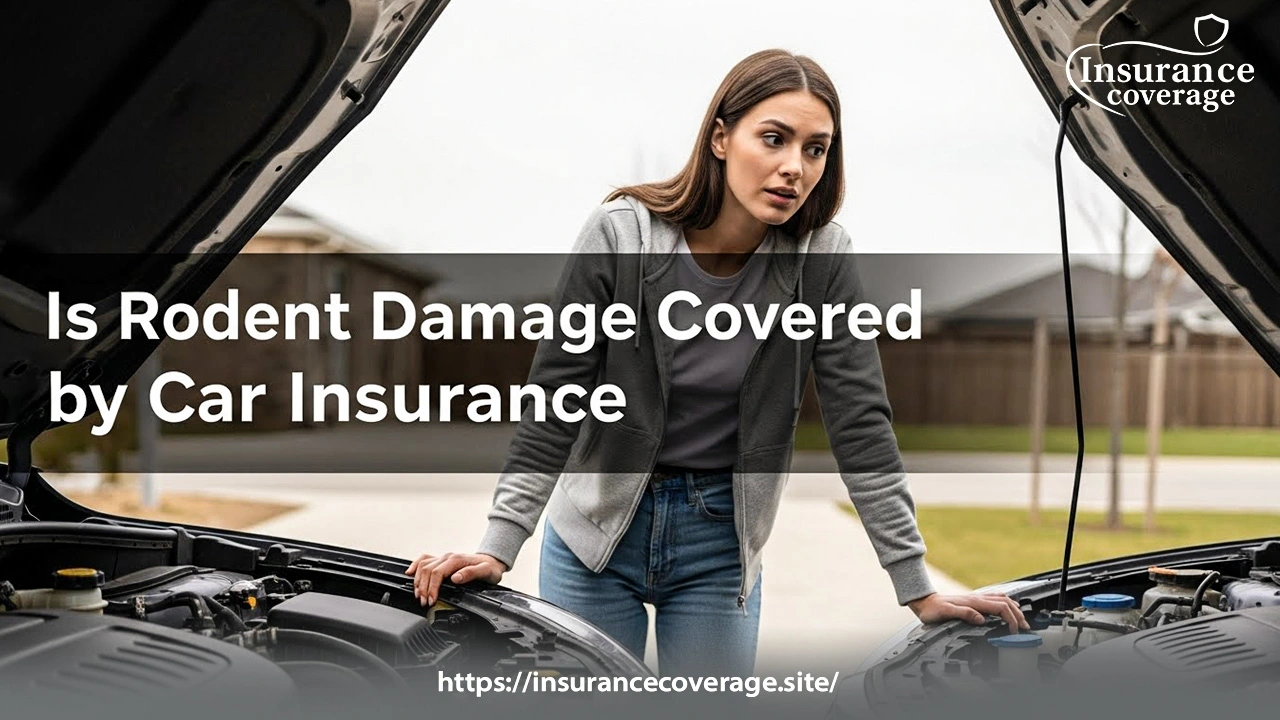
You don’t expect it. You turn the key, the dashboard lights flicker, something smells off, and suddenly the mechanic is talking about chewed wires and nests under the hood. That’s usually when the question pops up: is rodent damage covered by car insurance or are you paying for this mess yourself? Rodents don’t crash cars, they don’t leave notes, and they don’t show up on police reports, so coverage isn’t as obvious as it is with accidents.
Still, insurance does step in sometimes, just not in the way most people assume. If you’ve ever skimmed an insurance guide, you already know the answer usually lives in the fine print.
Is rodent damage covered by car insurance in real-world claims?
In many cases, yes, but only under specific conditions. Rodent damage typically falls under comprehensive coverage, not collision or liability. That means if you only carry basic coverage, repairs caused by mice, rats, or other vermin usually won’t be paid for. Insurance companies group rodents with animals, vandalism, and non-collision events. Chewed engine wiring, damaged hoses, and ruined insulation often qualify if comprehensive coverage is active and the claim meets policy terms.
That said, coverage isn’t automatic. Insurers look at timing, evidence, and whether the damage appears sudden or the result of long-term neglect. A single overnight incident is treated very differently than months of infestation.
Why Comprehensive Coverage is the Deciding Factor
Comprehensive auto insurance exists for damage that happens while the car is parked or damaged by forces outside your control. Rodents fall into that category. When mice chew through wiring or rats nest near the engine block, insurers usually consider it animal damage rather than mechanical failure.

This is where confusion starts. Many drivers assume “animal damage” only means deer or wildlife collisions. Rodents don’t hit your car; they sneak into it. Insurers still treat that as animal-related damage, but only if the policy language allows it. Checking coverage details matters more here than in most claims, especially when comparing auto insurance with advice you may have seen in a health insurance guide that doesn’t apply to vehicles at all.
What kind of Rodent Damage is usually Covered?
Insurance claims often involve chewed electrical wiring, damaged fuel lines, ruined sensors, or insulation torn apart for nesting. These repairs can get expensive fast, especially with modern cars packed with electronics. In many approved claims, insurers cover parts, labor, and related diagnostic work.
Damage to engine wiring caused by rodents is one of the most common claims under comprehensive coverage. Some policies also cover damage to air filters, brake lines, and washer fluid hoses if rodents are clearly responsible. Here’s a simplified view of how coverage typically plays out:
| Type of Damage | Comprehensive Coverage | Usually Covered |
|---|---|---|
| Chewed wiring | Yes | Often |
| Engine hoses | Yes | Often |
| Interior nesting | Depends | Sometimes |
| Long-term infestation | No | Rarely |
| Wear-related damage | No | Never |
When rodent damage claims are denied
Denials usually happen for one of three reasons. First, the policy doesn’t include comprehensive coverage. Second, the insurer believes the damage developed over time. Third, exclusions apply due to neglect or infestation.
Insurance companies draw a line between sudden damage and gradual deterioration. If a car sits unused for months and rodents move in, insurers may argue the owner failed to prevent foreseeable damage. That’s where claims start falling apart. Pest damage tied to ongoing infestation is often excluded.
Deductibles also matter. Even approved claims might not make financial sense if repair costs barely exceed the deductible.
Parked cars are more vulnerable than moving ones
Rodents target parked vehicles far more than daily drivers. Warm engines, quiet garages, and unused cars attract them. Insurance policies don’t penalize you for parking, but the longer a vehicle sits untouched, the harder it becomes to prove when the damage happened.
This becomes relevant during claim investigations. Insurers look for signs of nesting, droppings, and corrosion to estimate how long rodents have been present. If the damage appears recent, claims move forward more easily. If it looks old, coverage becomes shaky, even when the policy technically protects your property.
Filing a rodent damage insurance claim
Most claims start with photos and a repair estimate. Insurers often request mechanic documentation confirming rodents caused the damage. Some may ask for evidence that the car was operational recently.
Claims adjusters don’t expect perfection, but they do look for consistency. A car that hasn’t moved in a year raises questions. A daily commuter with sudden electrical failure usually doesn’t.
Policy limits apply just like any other comprehensive claim. Once those limits are reached, remaining costs fall back on the owner.
What car insurance does not cover in rodent cases
Insurance rarely covers preventive treatments, repellents, or damage caused by repeated infestations. Cleaning costs for nests inside air vents may be excluded unless tied directly to mechanical damage.
Cosmetic issues, odors, or minor interior damage may also fall outside coverage. Some policies specifically exclude vermin damage under certain endorsements, which is why reading exclusions matters more here than with collision claims. This Gray area fuels a lot of misunderstanding, which is why shocking insurance myths keep circulating online.
How deductibles and policy limits affect payouts
Even when coverage applies, deductibles reduce payouts. A $1,000 repair with a $500 deductible leaves you paying half. For newer vehicles, wiring damage can climb into the thousands, making comprehensive coverage worth having. For older cars, claims sometimes don’t make financial sense.
Policy limits rarely cap rodent damage directly, but total comprehensive limits still apply. If the car is declared a total loss, insurers base payouts on actual cash value, not replacement cost.
Preventing rodent damage doesn’t guarantee coverage
Taking preventive steps helps reduce risk, but insurance doesn’t require proof of prevention. Using traps, repellents, or enclosed parking can lower chances of damage, but lack of prevention doesn’t automatically void coverage either.
That said, repeated claims can affect premiums. Insurers track comprehensive claims over time, and rodent damage counts toward that history.
So, is rodent damage covered by car insurance after all?
Often yes, but only with comprehensive coverage and only when the damage appears sudden, accidental, and well-documented. Rodent damage sits in an awkward middle ground between animal damage and maintenance issues. That’s why outcomes vary so widely.
Drivers with full coverage usually fare better. Those with liability-only policies almost always pay out of pocket. Timing, documentation, and policy language decide the rest. Rodents may be small, but the insurance questions they trigger are anything but. Understanding where coverage applies before damage happens is the only real defence against surprise repair bills later.