


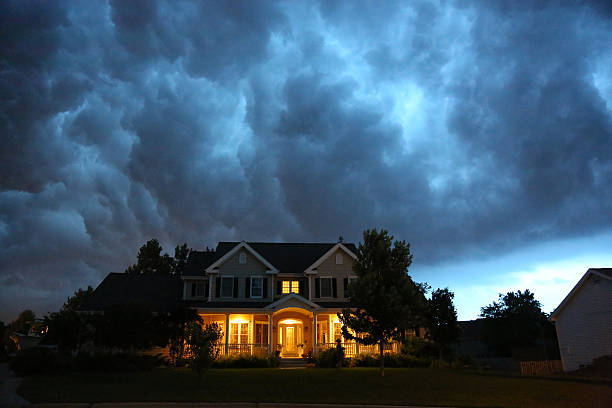
Your home represents more than walls and a roof it’s where life happens. From family gatherings to quiet evenings, it’s the place you rely on for comfort and security. That makes home insurance one of the most important financial protections you can have. In an era of rising repair expenses, unpredictable weather, and increasing property values, this coverage has shifted from being merely “smart” to absolutely essential.
In fact, data from the Insurance Information Institute shows that property claim costs have risen sharply over the last decade due to climate-driven disasters and inflation in construction materials. Understanding your coverage is not just a good idea—it’s a necessity.This guide explores everything you need to know about protecting your home, whether you own, rent, or invest.

What Is Home Insurance and Why Does It Matter?
At its core, home insurance protects your property and belongings against unexpected events such as:
- Fires
- Storm damage
- Theft or vandalism
- Burst pipes
- Certain natural disasters
- Personal liability incidents
For most Americans, the home is their largest investment. Without coverage, a single disaster could cause financial devastation. Even something as small as a kitchen fire can create thousands of dollars in damage in minutes.
Most homeowners begin by getting a home insurance quote, which provides an estimate of how much coverage will cost depending on property size, location, and risk factors, while also considering life insurance as part of a broader plan to protect their family’s long-term financial security.
Understanding Homeowners Insurance
If you live in the home you own, the policy designed for you is homeowners insurance. This comprehensive protection typically includes:
1. Dwelling Coverage
This pays for repairs or rebuilding of the structure itself.
2. Personal Property Protection
Your furniture, electronics, clothing, and valuables fall under this.
3. Liability Insurance
If someone is injured on your property, this protects you from costly legal or medical bills.
4. Additional Living Expenses (ALE)
If your home becomes uninhabitable, ALE helps pay for temporary housing.
Some people refer to this type of coverage as home owner insurance, though the meaning is the same. Others compare rates online using tools like home insurance compare, along with health insurance comparison platforms, to ensure they get the best protection at a reasonable price.
Homeowners also sometimes look for policies that include home and contents insurance, which emphasizes both structural and belongings coverage.

Renters Insurance: Essential Protection for Tenants
Even if you don’t own the property, your belongings still need protection. Renters insurance is specifically designed for tenants living in apartments, condos, or rented homes. Despite being one of the most affordable insurance types averaging less than $20 per month it offers powerful protections, including:
- Personal property replacement
- Liability coverage
- Temporary housing if your rental becomes unlivable
Many renters underestimate the value of their belongings. Yet replacing just a laptop, phone, clothing, and basic furniture can easily exceed several thousand dollars. This makes renters insurance a smart financial move, even for those just starting out—especially for frequent travelers who may also look into cruise travel insurance for added protection while away from home. Some renters seek trusted providers like state farm renters insurance for well-rated customer service and bundling options.
Landlord Insurance: Protecting Investment Properties
If you own property that you rent to others, landlord insurance is essential. This policy is different from homeowner or renter policies because rental units involve additional risks.
This coverage typically includes:
- Structural protection
- Liability coverage
- Coverage for loss of rental income
- Optional protections for furnishings in furnished units
A standard homeowners policy does not cover tenant-related incidents, which is why landlords need a dedicated policy. Using specialized protection helps ensure a consistent income stream, even after unexpected events.
Understanding Contents and Household Coverage
Some homeowners look specifically for home contents insurance when they want to protect personal belongings inside the home. This coverage pays to repair or replace items such as electronics, furniture, appliances, and valuables.
Others choose broader protections including household insurance, a term sometimes used to describe a bundled policy covering both the structure and everything inside it.
When comparing options, homeowners may also explore a home owners insurance quote, especially when renewing policies or adjusting coverage limits after renovations.
House Insurance vs. Home Insurance: Is There a Difference?
People often use house insurance interchangeably with home insurance. However, some insurers use the term house insurance to emphasize structure-only coverage. For example, a house insurance quote may refer primarily to rebuilding costs, not personal contents.
That’s why it’s important to read policy details carefully—similar terms don’t always guarantee identical protection.

How to Choose the Best Home Insurance Policy
Finding the right policy doesn’t have to feel overwhelming. Here are the top factors to consider:
1. Coverage Limits
Ensure your policy covers the full cost to rebuild your home at today’s prices—not the price you paid for it.
2. Deductibles
Higher deductibles reduce premiums but increase your out-of-pocket expenses.
3. Replacement Cost vs. Actual Cash Value
Replacement cost pays the full price to replace damaged items, while cash value deducts depreciation.
4. Add-On Coverage Options
Depending on your location, you may need add-ons like:
- Flood insurance
- Earthquake insurance
- Sewer backup coverage
- Extended dwelling coverage
5. Company Reputation
Choose insurers known for strong financial strength and a smooth claims process.
Many consumers use online comparison tools and quote engines because they simplify the process and offer a wide range of options in minutes.
Final Thoughts: Investing in Peace of Mind
Your home is one of your most valuable assets, making home insurance a critical safeguard for your financial future. Whether you’re a renter seeking simple protection, a homeowner looking for comprehensive coverage, or a property investor needing specialized support, there’s a policy tailored to your needs. Policies like renters insurance, homeowners insurance, and landlord insurance each serve unique purposes but all contribute to protecting the place you call home.
And with additional coverage options like home and contents insurance, home contents insurance, or house insurance, there are more ways than ever to secure both property and belongings. By getting quotes, comparing plans, and understanding your coverage options, you can make a confident, informed decision that protects your home and your peace of mind for years to come.