
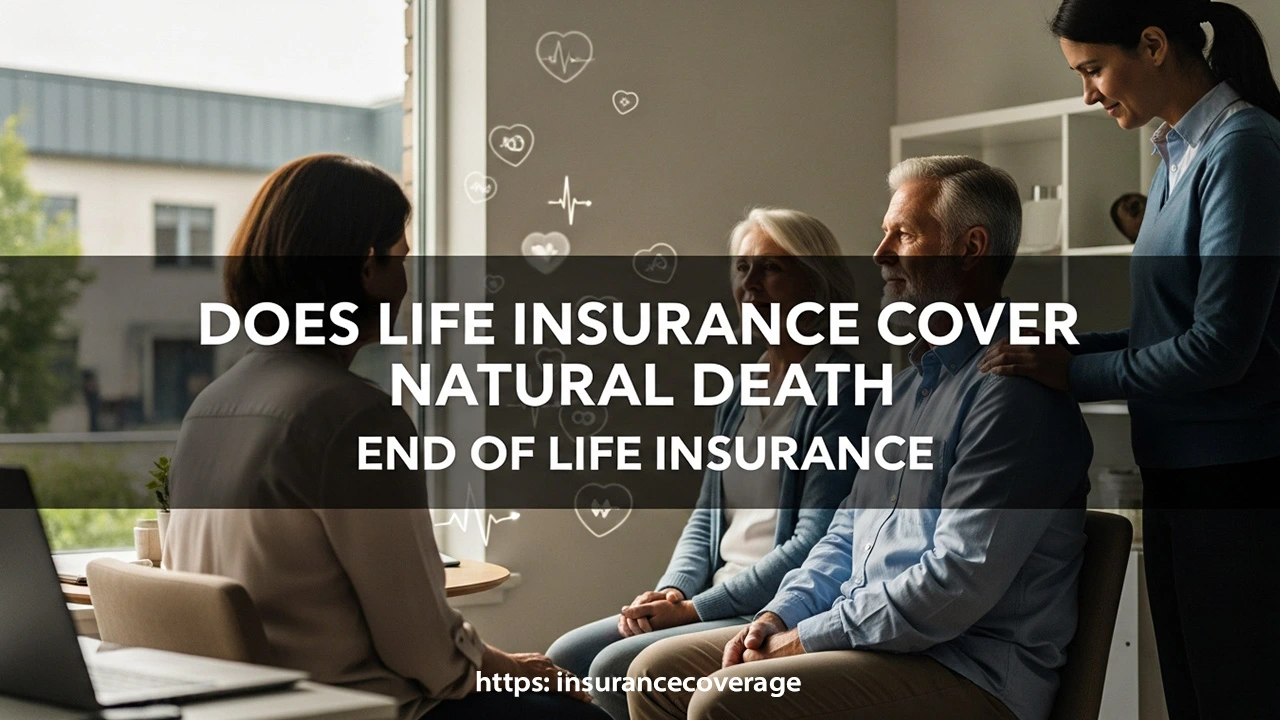
People usually buy life insurance with a simple hope: if something happens, their family won’t be left struggling. That leads to a very common question Does Life Insurance Cover Natural Death? It’s not a strange concern. Most deaths happen due to natural causes, not accidents, and understanding how insurers treat those situations matters more than people admit. To understand this clearly, it helps to look at how insurance coverage actually works inside a life insurance policy.
Life insurance is designed to pay a death benefit when the insured person passes away, but the reason behind the death can affect how smooth or complicated the payout becomes. Natural death is usually covered, yet there are layers beneath that simple answer.
Does Life Insurance Cover Natural Death and Why This Question Exists
Does Life Insurance Cover Natural Death? In most standard policies, yes. Natural death life insurance coverage generally includes deaths caused by illness, disease, organ failure, or age-related conditions. Heart attacks, strokes, cancer, and respiratory illnesses fall into this category. These are considered covered causes of death under most life insurance policy terms.

People ask this question because exclusions, waiting periods, and policy clauses can create confusion. While life insurance natural death coverage is standard, the timing of the policy, accuracy of information, and specific exclusions can change outcomes.
What Counts as Natural Death in Life Insurance
Natural death refers to death resulting from internal medical conditions rather than external events. Medical cause of death insurance records often list heart disease, cancer, diabetes complications, or neurological disorders. Natural causes vs accidental death is an important distinction insurers make.
Here’s a simple breakdown:
| Type of Death | Considered Natural | Typically Covered |
|---|---|---|
| Heart attack | Yes | Yes |
| Cancer | Yes | Yes |
| Stroke | Yes | Yes |
| Organ failure | Yes | Yes |
| Car accident | No | Covered separately |
| Homicide | No | Usually covered |
| Suicide (early) | No | Often excluded |
Understanding what deaths are covered by life insurance removes a lot of anxiety. In most cases, natural death life insurance coverage applies without issue once the policy is active.
How Term and Whole Life Policies Handle Natural Death
Term life insurance coverage and whole life insurance coverage both include natural death, but the structure differs. Term policies cover death within a specific period, while whole life policies remain active as long as premiums are paid.
| Policy Type | Covers Natural Death | Key Notes |
|---|---|---|
| Term Life Insurance | Yes | Only during the policy term |
| Whole Life Insurance | Yes | Lifetime coverage |
| Guaranteed Issue | Yes | Limited benefits early on |
Life insurance payout under either policy is paid to the beneficiary life insurance payout recipient, assuming policy conditions are met.
The Importance of the Policy Effective Date
Life insurance does not cover death before the policy effective date life insurance specifies. Coverage begins only after approval and the first premium payment. A death occurring before this date results in no payout.
Some policies include temporary coverage during underwriting, but not all. This detail often matters when illness progresses quickly after application.

Waiting Periods and Early Policy Restrictions
Some policies include a policy waiting period life insurance clause. This is common with guaranteed issue or simplified issue plans. During this time, natural death life insurance coverage may be limited.
| Policy Type | Waiting Period | Natural Death Coverage |
|---|---|---|
| Traditional Term | None | Full coverage |
| Whole Life | None | Full coverage |
| Guaranteed Issue | 2 years | Limited early payout |
If death occurs during the waiting period, the life insurance payout may only refund premiums plus interest.
Contestability Period and Natural Death Claims
The contestability period life insurance usually lasts two years from policy issue. During this time, insurers can review claims closely. If death occurs due to natural causes within this window, insurers may examine the application for accuracy.
This does not mean claims are denied automatically. It means the insurer checks for misrepresentation life insurance policy issues, such as undisclosed medical history.
Pre-Existing Conditions and Natural Death Coverage
Pre-existing conditions life insurance rules vary by insurer. If a condition was disclosed and accepted during underwriting, natural death related to that condition is covered.
Problems arise when a medical condition was not disclosed. That’s where claims may face delays or denial. Honest disclosure is critical for life insurance after death claims to proceed smoothly.
Suicide Clause vs Natural Death
The suicide clause life insurance policies include is often misunderstood. Suicide is not classified as natural death. Most policies exclude suicide for the first two years.
After the suicide clause period ends, the death benefit life insurance payout is typically allowed. Natural death life insurance coverage is not affected by this clause.
Life Insurance Claim Process After Natural Death
The life insurance claim process after natural death is usually straightforward. Beneficiaries submit:
- Death certificate
- Claim form
- Policy documents
Insurers verify the cause of death and policy status. Once approved, the life insurance payout is issued. Timing varies but often takes a few weeks. For families also managing health costs, some rely on telehealth insurance during illness before death, which can reduce financial strain while the policy remains active.
Exclusions That Can Affect Natural Death Claims
Life insurance exclusions are where most confusion happens. While natural death is covered, exclusions can apply in specific situations:
| Exclusion Type | Impact on Natural Death |
|---|---|
| Fraud | Claim denied |
| Undisclosed illness | Claim delayed or denied |
| Policy lapse | No payout |
| Illegal activity | Possible denial |
Understanding life insurance policy terms helps prevent surprises later.

Natural Death vs Accidental Death Coverage
Natural causes vs accidental death matters because accidental death riders pay extra benefits only for accidents. A natural death life insurance payout does not include accidental riders unless specified.
This distinction explains why some payouts differ even when policies appear similar.
Beneficiaries and Payout Timing
The beneficiary life insurance payout usually bypasses probate. Payment timing depends on claim verification. In clean cases, funds arrive quickly. Complicated cases involving exclusions take longer.
For families planning broader protection, combining life insurance with cancer patients support resources can provide financial relief during long illnesses.
Common Myths About Natural Death and Life Insurance
Many believe insurers avoid paying for illness-related deaths. In reality, natural death life insurance coverage is the foundation of most policies. Claims are denied mainly due to policy lapses or misrepresentation, not because death was natural.
How Policy Terms Shape Coverage
Life insurance policy terms define everything from covered causes of death to payout timing. Reading these terms matters more than people think. Insurance coverage explained clearly inside the policy often answers most questions people ask later.
Life Insurance After Death: What Families Should Expect
After death, beneficiaries file a claim and wait for verification. Most life insurance after death cases involving natural causes proceed without legal issues. Delays usually come from missing documents or unclear medical records. Families already managing property protection through home insurance plans often appreciate the simplicity of life insurance payouts during difficult times.
Final Thoughts:
So, Does Life Insurance Cover Natural Death? In nearly all standard policies, yes. Life insurance natural death coverage is the norm, not the exception. Heart disease, cancer, and other medical conditions are among the most common covered causes of death. Claims succeed when policies are active, information is accurate, and exclusions are respected. Understanding contest ability periods, waiting periods, and policy terms removes most uncertainty.
Natural death life insurance is built to protect families when illness or age brings life to an end. When structured properly, the death benefit life insurance payout provides financial stability exactly when it’s needed most.