


Wildfires are no longer rare, distant events. They reach suburbs, small towns, even places that once felt safe. Homeowners often realize too late that they never really understood their policy until smoke is already in the air. The question does home insurance cover wildfires usually comes up in a rush of stress, when decisions feel urgent and expensive. A solid insurance guide helps, but real understanding comes from knowing what coverage actually does, where it stops, and how insurers treat wildfire risk behind the scenes.
Does Home Insurance Cover Wildfires and Fire Damage?
At its core, most standard homeowners insurance policies do cover wildfire damage. Fire is usually listed as a named peril, which means damage caused directly by flames, heat, or embers is part of basic protection. When people ask does home insurance cover wildfires, they are usually asking about complete loss, partial damage, and the costs that follow after evacuation.
Wildfire damage coverage typically applies to the structure of the home, attached features like garages or decks, and sometimes nearby structures such as fences or sheds. Coverage depends on the dwelling limit stated in the policy, which is the maximum amount the insurer will pay to rebuild or repair the home. This is not always the same as market value, and that difference matters a lot after a major fire.
How Homeowners Insurance Treats Wildfire Damage?
Homeowners insurance generally treats wildfires the same way it treats other fire-related events, but there are nuances. Fire damage coverage usually includes direct flame damage, heat damage, and secondary effects like smoke and ash. Policies differ on how broadly these are interpreted.
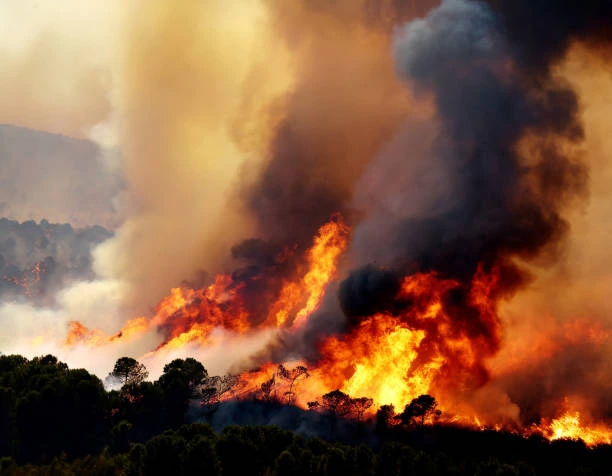
Smoke damage from wildfires insurance claims can include damage to walls, ceilings, furniture, clothing, and even electronics. Ash damage insurance coverage may apply when fine particles infiltrate ventilation systems or settle into materials that cannot be cleaned. These claims often require detailed documentation, inspections, and professional cleaning estimates.
Insurance coverage may also include debris removal, which becomes important when burned materials must be cleared before rebuilding begins. This part is often capped, meaning there is a limit separate from dwelling coverage.
Policy structure matters more than many Realize
Not all policies are built the same. Some are replacement cost policies, while others are actual cash value policies. Replacement cost pays what it takes to rebuild with similar materials at current prices. Actual cash value subtracts depreciation, which can leave homeowners paying a large gap out of pocket.
This is where understanding house owner insurance plans becomes essential. Two neighbours can live on the same street, experience the same wildfire, and receive very different payouts depending on how their policies are written. That difference often only becomes visible after the damage is done.
What parts of wildfire damage are usually Covered?
Most homeowners insurance policies cover several wildfire-related losses under different sections of the policy. Dwelling coverage applies to the main structure. Other structures coverage applies to detached garages or sheds. Personal property coverage applies to belongings inside the home.
Additional living expenses wildfire insurance coverage is another major piece. If a wildfire forces you to evacuate or makes your home uninhabitable, the policy may pay for hotel stays, short-term rentals, food costs above normal spending, and basic living needs. Temporary housing after wildfire insurance claims often have time limits and dollar caps, which homeowners should understand before a disaster happens.
Table: Common wildfire-related losses and coverage
| Wildfire-Related Loss | Typically Covered | Coverage Section | Common Limits |
|---|---|---|---|
| Structural fire damage | Yes | Dwelling coverage | Policy dwelling limit |
| Smoke and soot damage | Usually | Dwelling / personal property | Subject to inspections |
| Ash contamination | Often | Dwelling / cleanup | May be capped |
| Personal belongings | Yes | Personal property | Percentage of dwelling |
| Temporary housing | Yes | Additional living expenses | Time and dollar limits |
| Landscaping loss | Sometimes | Separate sublimit | Often limited |
| Evacuation costs | Sometimes | ALE or endorsements | Varies by policy |
Wildfire exclusions that surprise homeowners
While fire damage coverage is standard, exclusions still exist. Some policies exclude damage if the home was vacant for an extended period. Others limit coverage in high-risk wildfire areas insurance zones. Insurers may impose special deductibles for wildfire-prone regions, sometimes as a percentage of the dwelling limit rather than a flat amount.
Wildfire insurance exclusions may also apply to preventable losses. If investigators determine that lack of maintenance or code violations worsened the damage, claims can become complicated. This is one reason insurers emphasize defensible space, cleared vegetation, and fire-resistant building materials.
Deductibles and coverage limits in wildfire claims
Wildfire deductible insurance terms matter more than people expect. In some regions, deductibles are set at 1–5% of the dwelling limit. On a home insured for $400,000, a 5% deductible means $20,000 out of pocket before coverage begins.
Home insurance coverage limits for wildfires can also become an issue during widespread disasters. When labor and materials are in high demand, rebuilding costs spike. If coverage limits are outdated, homeowners may face serious financial gaps even when the claim is approved.
Filing a wildfire insurance claim
Knowing how to file a wildfire insurance claim before you need to do it helps reduce stress. The process usually begins with immediate notification to the insurer. Photos, videos, and inventories of damage are critical. Many homeowners rely on pre-existing home inventories, which become invaluable when belongings are destroyed.
Claims adjusters assess wildfire damage, estimate repair costs, and review coverage terms. Disputes often arise around smoke damage severity, ash contamination, or whether certain items are salvageable. Documentation and persistence matter.
This decision-making pressure feels similar to situations like can i cancel pet insurance before surgery, where timing and policy wording have major financial consequences.
Can insurers drop coverage after wildfires
One uncomfortable reality is that insurers can choose not to renew policies after wildfire losses, especially in high-risk regions. Can insurers drop coverage after wildfires? In many states, yes, once the policy term ends. Some areas see reduced insurer participation altogether, pushing homeowners toward state-backed or specialty insurance programs.
This doesn’t mean claims won’t be paid, but it does affect future affordability and availability. Homeowners often learn this only after rebuilding, when shopping for renewal becomes difficult.
Wildfires, personal situations, and insurance flexibility
Insurance decisions don’t happen in isolation. Life changes affect coverage needs. Questions about who can be insured, who benefits from coverage, and how policies interact with relationships come up more often than people admit. This mirrors situations like can i get insurance for my boyfriend, where policy definitions and eligibility rules quietly shape financial protection.
Wildfire recovery often coincides with job changes, relocations, or family shifts. Insurance planning should reflect that reality.
Preparing your home for wildfire risk
While insurance pays after loss, preparation reduces both damage and claim complications. Clearing vegetation, using fire-resistant roofing, sealing vents, and maintaining defensible space can reduce wildfire damage and make claims smoother.
Some insurers offer discounts for mitigation steps, while others require them for continued coverage. These requirements are rarely emphasized when the policy is first purchased but become critical later.
Fire insurance vs homeowners insurance
Homeowners sometimes assume fire insurance is separate. In most cases, fire insurance vs homeowners insurance is not an either-or situation. Fire coverage is built into standard homeowners insurance, though standalone fire policies exist in limited situations, usually for high-risk properties that cannot qualify for traditional coverage.
Understanding which policy applies prevents confusion during claims and avoids duplicate or missing coverage.
Wildfire claims, timing, and when coverage starts
Timing matters. Coverage applies only after the policy becomes active. If a wildfire begins before the policy start date, claims are denied. This is similar to confusion around when life insurance become effective, where the exact start date determines eligibility.
Policy waiting periods are rare for fire coverage, but lapses, missed payments, or last-minute changes can create unexpected gaps.
Long-term financial impact of wildfire losses
Even with insurance, wildfire recovery is rarely simple. Deductibles, coverage limits, delays, and disputes create financial strain. Home repair costs often exceed initial estimates, especially when rebuilding under new codes. Insurance coverage helps, but it is not a blank check. Homeowners who understand their policies early are better positioned to recover without long-term debt.
Final Thoughts
So, does home insurance cover wildfires? In most cases, yes, but the real answer lives in the details. Coverage depends on policy structure, limits, deductibles, exclusions, and how well the home was prepared before the fire. Wildfires test insurance policies in ways few other events do. Homeowners who read beyond the summary page, update coverage regularly, and understand wildfire-specific rules are far less likely to be caught off guard. Insurance cannot stop a fire, but the right policy can make the difference between recovery and financial loss that lasts for years.