

insurance coverage
  • Home
  • Insurance Coverage
    • Health Insurance
    • Home Insurance
    • Life Insurance
    • Pet insurance
    • Travel Insurance
    • Auto Insurance
  • About us
  • Contact us
  • Our Authors
  • Terms & Conditions
  • Privacy Policy
insurance coverage
  • Home
  • Insurance Coverage
    • Health Insurance
    • Home Insurance
    • Life Insurance
    • Pet insurance
    • Travel Insurance
    • Auto Insurance
  • About us
  • Contact us
  • Our Authors
  • Terms & Conditions
  • Privacy Policy
Thursday, February 12, 2026
insurance coverage
insurance coverage
  • Home
  • About Us
  • Contact
  • Advertise
  • Terms & Conditions
  • Privacy Policy
Copyright 2021 - All Right Reserved
Home | Archives for
Author

jenniferlife

jenniferlife

Jennifer Smith specializes in Life and Health Insurance, offering practical advice on policy selection, benefits, and long-term financial protection strategies.

What Does Travel Insurance Cover? Complete Guide
Travel Insurance

What Does Travel Insurance Cover? Complete Guide

by jenniferlife February 11, 2026
written by jenniferlife

When people start planning a trip, the excitement usually comes first tickets, hotels, itineraries. Insurance tends to be an afterthought, even though it quietly carries most of the financial risk. If youโ€™ve ever compared differentย travel insuranceย plans, youโ€™ve probably noticed how complicated the wording can be. Understandingย what Does travel insurance coverย is less about memorizing policy language and more about recognizing the risks tied to travel itself.

Thatโ€™s why many travelers stop and ask what exactly they are paying for. In simple terms, a policy works much like otherย insurance coverages.ย It steps in when something unexpected disrupts your plans or threatens your health or belongings.

What Does Travel Insurance Cover? Complete Guide
Life Insurance Protection Beneficiary Safeguard Concept

What Does Travel Insurance Cover? Understanding the Core Protections

Before buying any plan, it helps to pause and think carefully about what should travel insurance cover for your specific trip. Not every traveler needs the same protection. A weekend road trip is different from a month-long international tour. Still, most travel insurance coverage revolves around a few central pillars: medical protection, trip-related reimbursements, and personal property safeguards.

At its foundation, a standard travel insurance policy typically includes trip cancellation, trip interruption, emergency medical expenses, and sometimes lost baggage coverage. Some plans also provide travel delay reimbursement, emergency evacuation services, and accidental death benefits. When people ask what does travel insurance cover, these are usually the first categories insurers point to.

The key is not just that coverage exists, but how much of it exists. Limits vary widely. One plan might offer $50,000 for medical coverage abroad, while another provides $500,000. That difference matters if youโ€™re hospitalized in a country with expensive healthcare systems.

Trip Cancellation: Protecting Your Investment Before You Leave

Trip cancellation is often the most talked-about travel insurance benefit. It reimburses you for prepaid, non-refundable expenses if you have to cancel before departure due to a covered reason. Covered reasons typically include serious illness, injury, death of a family member, or sometimes severe weather events.

Imagine booking international flights, hotels, and tours months in advance. If you suddenly fall ill, you could lose thousands of dollars. A solid travel insurance policy with trip cancellation can reimburse those costs.

Still, this is where policy exclusions become important. Not every reason qualifies. Changing your mind or finding a better deal elsewhere usually wonโ€™t count. Some insurers offer โ€œCancel For Any Reasonโ€ add-ons, but they tend to reimburse only a portion of your total expenses. When evaluating what should travel insurance cover, trip cancellation protection often ranks near the top because it directly protects your upfront investment.

Trip Interruption: When Plans Change Mid-Journey

Trip interruption coverage applies once your trip has already begun. If something forces you to cut it short like a family emergency or sudden illness, it can reimburse unused portions of your trip and sometimes cover additional transportation costs to return home.

This aspect of travel insurance coverage is often overlooked until something goes wrong. For example, you might need to return home unexpectedly after only three days of a ten-day vacation. Without trip interruption protection, you could lose the remaining hotel nights and prepaid excursions.

In some cases, policies also reimburse extra accommodation if youโ€™re delayed. People often compare this to how a homeowner might wonder whetherย house insurance cover fencesย in certain situations; itโ€™s about understanding the scope and limits of whatโ€™s actually protected. Withย travel insurance, reading those limits carefully makes all the difference.

Medical Coverage Abroad: The Most Critical Component

For international travelers, medical coverage abroad is arguably the most important element of travel insurance. Many domestic health insurance plans offer little or no coverage outside your home country. That means emergency medical expenses could come directly out of pocket.

What Is a POS Health Insurance Plan

Medical emergencies abroad can be expensive. A simple hospital visit may cost hundreds or thousands of dollars. A serious injury requiring surgery or evacuation can escalate quickly. This is why understanding what does travel insurance cover medically is essential.

Typical medical coverage includes:

Coverage TypeWhat It Usually Covers
Emergency Medical ExpensesHospital stays, doctor visits, medications
Emergency Medical EvacuationTransport to nearest adequate medical facility
Repatriation of RemainsReturn of remains to home country
Dental EmergencyTreatment for sudden dental pain or injury

Emergency evacuation alone can cost tens of thousands of dollars. A strong travel insurance policy ensures those extreme costs donโ€™t become a lifelong financial burden.

Emergency Medical Expenses and Pre-Existing Conditions

Emergency medical expenses are at the heart of most travel insurance benefits. Still, pre-existing conditions complicate things. Some insurers exclude them outright. Others provide limited coverage if certain conditions are met, such as purchasing the policy shortly after booking your trip.

When consideringย what Does travel insurance cover, itโ€™s wise to check how the plan defines and treats pre-existing conditions. The wording matters. Waiting periods, disclosure requirements, and documentation rules can influence your ability to file a successful travel insurance claim.

Comparing this to other forms of coverage like wonderingย can i cancel pet insurance before surgeryย shows how timing and policy rules affect outcomes. With travel insurance, buying coverage early often expands your protection options.

Lost Baggage Coverage and Personal Belongings

Lost baggage coverage is another common feature. Airlines misplace luggage more often than most people expect. While airlines provide limited compensation, it may not fully replace high-value items.

Lost baggage coverage typically reimburses you for clothing, toiletries, and essential items if your luggage is delayed or permanently lost. There are usually per-item limits and total maximums.

Hereโ€™s a simplified breakdown:

ScenarioTypical Reimbursement
Delayed baggage (12โ€“24 hrs)Essential purchases up to a daily limit
Permanently lost baggageReplacement value up to policy maximum
High-value electronicsOften limited or excluded

While this part of travel insurance coverage may not seem as urgent as medical protection, it can ease stress during already difficult travel disruptions.

Travel Delays and Missed Connections

Travel delay coverage reimburses expenses when flights are significantly delayed due to covered reasons. This may include hotel stays, meals, and local transportation. If you miss a connecting flight because of airline delays, some plans step in.

Missed connection benefits can be especially helpful during international travel. If your connecting cruise departure is missed due to a flight delay, certain policies reimburse additional transport to catch up.

Looking at specific provider examples, such asย expedia travel insurance, can give travelers insight into how various companies structure delay and interruption benefits. While the structure differs, the concept remains similar across most plans.

Policy Exclusions: What Travel Insurance Does Not Cover

Itโ€™s tempting to assume that travel insurance covers every possible mishap. That isnโ€™t the case. Policy exclusions are deliberate and often clearly stated. Common exclusions include:

  • Intentional self-inflicted injuries
  • Participation in high-risk activities (unless added coverage is purchased)
  • Traveling against medical advice
  • Losses due to intoxication
  • Civil unrest or known events before policy purchase

Understanding policy exclusions is just as important as reviewing travel insurance benefits. A strong travel insurance policy outlines whatโ€™s covered and whatโ€™s not in equal detail.

Filing a Travel Insurance Claim

When something goes wrong, filing a travel insurance claim requires documentation. Receipts, medical records, police reports for theft, and airline confirmation letters are commonly required.

The claim process generally involves:

  1. Notifying the insurer promptly
  2. Submitting required documents
  3. Waiting for review and approval

Processing times vary. Some claims are resolved in weeks, while others take longer if documentation is incomplete. A denied claim often results from missing paperwork or a reason that falls outside covered events.

Travelers sometimes ask, do we need toย insure a travel trailerย before road trips in the same way they question the need for trip coverage. The answer depends on risk tolerance and financial exposure. Withย travel insurance, the claim process becomes smoother when you understand requirements before departure.

Comparing Travel Insurance Policies Side by Side

Because not all plans are identical, comparing key categories helps clarifyย what Does travel insurance coverย for your needs.

FeatureBasic PlanMid-Tier PlanComprehensive Plan
Trip CancellationIncludedIncludedIncluded + CFAR Option
Emergency Medical Expenses$50,000$100,000$250,000+
Emergency Evacuation$100,000$250,000$500,000+
Lost Baggage CoverageLimitedModerateHigher limits
Travel DelayMinimalModerateExtensive

The best travel insurance coverage depends on destination, trip cost, and personal health considerations.

How Much Coverage Is Enough?

Thereโ€™s no universal number. A short domestic trip may require modest coverage. International trips, especially to countries with expensive healthcare systems, usually demand higher medical limits.

When thinking about what does travel insurance cover, medical protection and evacuation limits deserve the closest attention. Trip cancellation limits should at least match the total prepaid cost of your trip.

Some travelers skip coverage entirely, believing nothing will go wrong. That may be true most of the time. Yet travel disruptions, medical emergencies, and airline mishaps occur regularly. Insurance exists not because problems are guaranteed, but because they are unpredictable.

Final Thoughts

At its core, travel insurance is about preparing for uncertainty. The question isnโ€™t whether your trip will go perfectly, but whether you can absorb the financial impact if it doesnโ€™t. When evaluatingย what Does travel insurance cover, focus on medical protection, trip cancellation, trip interruption, and emergency medical expenses first. Then consider.

February 11, 2026 0 comments
0 FacebookTwitterPinterestEmail
Home insurance
Insurance

Everything you need to know about Insurance?

by jenniferlife February 9, 2026
written by jenniferlife

Insurance is one of those things most people live with for years before they really understand it. Policies get bought during big life moments buying a car, starting a job, purchasing a home, having children. At first, it feels like a box to tick. Over time, it becomes something far more real. Everything you need to know about Insurance begins with understanding that insurance exists to deal with uncertainty, not eliminate it. Life doesnโ€™t wait for financial readiness, and insurance tries to bridge that gap.

At its core, insurance is about shared responsibility. You pay a predictable amount so that unpredictable losses donโ€™t destroy your finances. Different insurance coverages exist because risks donโ€™t look the same for everyone. A renter faces different dangers than a homeowner. A traveler faces different risks than a business owner. Insurance adapts itself to those realities, but only if the policyholder understands what theyโ€™re actually buying.

Everything you need to know about Insurance like Definition, how it works, and its types

Insurance can be defined as a formal agreement where one party agrees to compensate another for specific losses in exchange for regular payments. That definition sounds simple, but the real mechanics are layered. Insurance works because large numbers of people contribute small amounts into a shared pool. Losses are expected, just not for everyone at the same time.

Everything you need to know about Insurance

The types of insurance developed over time as societies changed. When people owned little, insurance focused on health and survival. As assets grew, insurance expanded to property, vehicles, businesses, and liability. Modern insurance reflects modern life. It protects not only physical things but also income, legal responsibility, and future plans.

What is insurance?

Insurance is a financial contract designed to soften the impact of loss. It does not prevent accidents, illness, or damage. Instead, it ensures that when something goes wrong, recovery is possible. Without insurance, many events would push people into debt that takes years to escape.

Insurance policies clearly define what qualifies as a covered event. This clarity protects both sides. Policyholders know what they can expect, and insurers know what they are responsible for. The challenge is that people often skim these details until a claim is denied. Understanding insurance before that moment changes the entire experience.

Key Takeaways

Insurance shifts financial risk away from individuals and spreads it across many policyholders. Premiums are paid regularly to keep coverage active. Claims are only paid when policy conditions are met. Limits, deductibles, and exclusions shape how useful a policy truly is. Insurance rewards preparation, not reaction.

Investopedia Answers

From an economic perspective, insurance relies on statistical prediction. Insurers study loss patterns across industries and populations. They price insurance policies so that total premiums exceed expected claims. This structure allows insurers to remain stable while paying out losses when they occur.

How does insurance work?

Insurance works through agreement and verification. When a policyholder buys coverage, they agree to the terms laid out in the insurance policy. When a loss occurs, the insurer verifies whether the event fits within those terms. This verification process is what makes insurance both reliable and frustrating.

Claims donโ€™t get approved simply because something bad happened. They are approved because the event matches policy language. Questions like whether house insurance cover fences come down to cause, maintenance, and exclusions. Insurance is less about fairness and more about definitions.

Home insurance

What is an insurance premium and how is it calculated?

Insurance premiums represent the cost of transferring risk. Insurers calculate premiums by analyzing personal data, asset value, location, history, and behavior. Two people buying identical coverage may pay very different prices.

Higher premiums usually reflect higher likelihood of claims. Lower premiums often come with higher deductibles or limited coverage. Premiums are not punishment; they are pricing models based on probability.

What is a policy term?

A policy term defines how long coverage lasts. Most insurance policies operate on annual terms, but some run shorter or longer. Coverage only applies during this period. Missed payments or non-renewal end protection immediately.

Understanding the policy term matters because claims must occur while coverage is active. Timing mistakes lead to denied claims more often than people realise.

How does a policy limit work?

Well, if you search Everything you need to know about Insurance, you will see that some people describe insurance in detailed majorly, they cover only in health insurance but here in this article you will get to know everything related to insurance because our main goal is to give you detailed insights about insurance. Well, when we discussed policy limit then, i will tell you that Policy limits cap how much the insurer will pay. Once the limit is reached, all remaining costs fall on the policyholder. Limits exist to keep insurance affordable and predictable for insurers. Low limits may save money upfront but expose policyholders to major losses later. High limits cost more but provide peace of mind.

What is a deductible and how does it work?

A deductible is the portion of a loss paid by the policyholder before insurance contributes. Deductibles reduce small claims and lower premiums. They force policyholders to share responsibility. Choosing a deductible is a balance between monthly affordability and emergency readiness.

What are the most common types of insurance?

Insurance touches nearly every part of daily life.

Auto insurance

Auto insurance protects drivers from liability, property damage, and injury-related expenses. Laws often require minimum coverage, but those minimums rarely cover serious accidents. Comparing auto insurance vs home insurance highlights how liability risk differs across assets.

Home insurance

Home insurance protects structures, belongings, and personal liability. Coverage depends heavily on cause of loss. Fire, storms, and theft are common covered risks. Floods and earthquakes often require separate policies.

do solar panels increase home insurance

Health insurance

Health insurance manages medical costs that would otherwise be unmanageable. It works through provider networks, cost-sharing, and coverage tiers. Understanding deductibles and out-of-pocket limits is essential for real protection.

Life insurance

Life insurance supports dependent after death. It replaces income, covers debts, and funds future needs. Life insurance planning depends on age, health, and financial goals. so, you must understand the health benefits of insurance.

Business Insurance

Business insurance shields companies from lawsuits, property damage, and operational disruptions. Without it, a single claim can end a business permanently.

Study Insurance

Study insurance protects students during education, especially abroad. It covers health emergencies, accidents, and travel-related risks.

Common Insurance Terms Defined

Insurance language is meant to be precise, but precision doesnโ€™t always translate into clarity. Many of the most common terms sound simple on the surface, yet they quietly shape how much you pay, when you pay, and how much help you actually receive when something goes wrong. People often assume these words matter only when filing a claim. In reality, they affect everyday decisions whether to visit a doctor, choose a provider, or submit a bill. Understanding these terms ahead of time prevents surprises that usually show up when stress is already high.

what is a copay in health insuranceโ€‹

Co-insurance

Co-insurance comes into play after your deductible has been met, and this is where many people misunderstand how shared costs really work. Once the deductible is paid, co-insurance determines how remaining expenses are divided between you and the insurance provider. A common setup might be 80/20, where the insurer pays 80 percent of covered costs and you handle the remaining 20 percent.

That percentage may sound manageable until medical bills start adding up. A 20 percent share on a large hospital bill can still mean thousands out of pocket. Co-insurance exists to keep policyholders engaged in cost decisions. When insurance pays everything, people tend to use services more freely. When thereโ€™s shared responsibility, people pause, ask questions, and compare options.

Co-insurance also varies by service. Some plans apply different rates for specialist visits, hospital stays, or out-of-network care. Itโ€™s not unusual for someone to think they understand their plan, only to realize later that one type of care carries a much higher co-insurance share. This is why reading the breakdown matters just as much as knowing the deductible amount.

Coordination of Benefits

Coordination of benefits becomes relevant when someone is covered by more than one insurance policy. This often happens through a spouseโ€™s plan, a parentโ€™s plan, or a combination of employer coverage and government programs. Without coordination rules, claims would turn into disputes over who pays what.

This process decides which insurance plan acts as the primary payer and which one becomes secondary. The primary plan pays first according to its rules. The secondary plan may then cover some or all of what remains, depending on its own coverage limits. The goal is not to allow double payment, but to prevent gaps in coverage.

In real life, coordination of benefits can feel slow and paperwork-heavy. Claims may bounce back and forth if information is missing or outdated. Still, when it works correctly, it can significantly reduce out-of-pocket costs. The key is accuracy. Even small errors, wrong employer details, outdated policy numbers can delay payments or cause denials that take months to fix.

Co-payment

A co-payment, often called a copay, is the fixed amount you pay at the time of receiving a service. It doesnโ€™t change based on the total bill and usually applies to routine care such as doctor visits, prescriptions, or urgent care. Whether the visit costs $80 or $300, the copayment stays the same.

Copayments are designed to be predictable. They give policyholders a clear idea of what a visit will cost before walking through the door. This predictability helps people budget for care and avoid skipping necessary appointments due to uncertainty.

That said, copayments donโ€™t exist in isolation. They often interact with deductibles and co-insurance in ways that arenโ€™t obvious. Some plans require deductibles to be met before copays apply. Others waive deductibles for primary care but not for specialists. Over time, frequent copayments can quietly add up, especially for people managing chronic conditions.

Understanding how copayments fit into the larger structure of a policy changes how you use insurance. Instead of being surprised by bills weeks later, you know upfront which costs are fixed and which ones might grow.

Covered Expenses

Covered expenses define what insurance actually pays for.

TermExplanation
Customary FeeStandard service charge
DeductibleInitial cost paid
ExclusionsNon-covered risks
Explanation of BenefitsClaim breakdown
HMORestricted network
Managed CareCost control model
Maximum Out-of-PocketSpending cap
Non-cancellable PolicyGuaranteed coverage
PPOFlexible access
Pre-existing ConditionPrior diagnosis
PremiumCoverage cost
Primary Care PhysicianCare coordinator
ProviderService source
Third-party PayerClaim payer

What are the benefits of taking out insurance?

Insurance benefits extend beyond financial reimbursement. Insurance allows people to plan long-term without constant fear of financial collapse. It encourages entrepreneurship, travel, and investment.

Insurance creates stability not by eliminating risk, but by making risk survivable.

What is the main purpose of insurance?

The main purpose of insurance is protection against financial ruin. It exists so one mistake, accident, or illness does not define the rest of a personโ€™s life.

What are the 5 benefits of insurance?

Insurance is often treated as a legal requirement or a monthly bill, but its real value shows up during moments people rarely plan for. The benefits go beyond money. They influence decision-making, stability, and even peace of mind over long periods of time.

Risk reduction

At its core, insurance works by spreading risk across a large group of people. Instead of one person carrying the full financial weight of a loss, that burden is shared. When many individuals contribute small amounts through premiums, the insurer is able to pay for the few who experience damage or loss at any given time.

This doesnโ€™t eliminate risk, but it reshapes it into something manageable. Large, unpredictable expenses become smaller, predictable ones. For individuals, this means a single accident or illness is less likely to cause long-term financial damage. For businesses, it means risks that could shut doors permanently are absorbed and redistributed, allowing recovery instead of collapse.

Financial stability

Unexpected expenses can destabilize even well-planned finances. Medical emergencies, property damage, or legal claims often come with costs that exceed savings. Insurance acts as a buffer between these events and your financial life.

By covering a significant portion of losses, insurance prevents sudden shocks that might otherwise lead to debt, asset liquidation, or long-term financial strain. Instead of draining savings or taking high-interest loans, policyholders rely on pre-arranged coverage. Over time, this stability allows households and organizations to plan with confidence, knowing that a single incident is unlikely to undo years of progress.

Business continuity

For businesses, insurance is closely tied to survival. Fires, lawsuits, data breaches, and natural disasters donโ€™t just damage property, they interrupt operations. Without protection, even a temporary shutdown can lead to lost customers, unpaid employees, and broken contracts.

Insurance helps businesses stay operational or recover quickly after a loss. Coverage for property damage, liability claims, and business interruption provides the financial breathing room needed to rebuild, relocate, or continue paying essential expenses. This continuity protects not only the business owner, but also employees, suppliers, and customers who depend on the companyโ€™s stability.

Lessen psychological stress

Financial uncertainty carries emotional weight. Knowing that a single event could erase savings or create unmanageable debt adds constant pressure. Insurance reduces this mental burden by replacing uncertainty with structure.

When coverage is in place, people worry less about โ€œwhat ifโ€ scenarios. That doesnโ€™t mean stress disappears entirely, but the presence of a safety net changes how people respond to risk. Decisions feel less overwhelming when there is a clear path forward after a loss. Over time, this sense of security contributes to better mental well-being and more confident long-term planning.

Asset protection

Assets gain value over time, but they are also exposed to loss, damage, and depreciation. Insurance helps preserve that value by ensuring that damage does not permanently erase years of investment.

Homes, vehicles, equipment, and even income streams are protected through policies designed to restore or replace them after covered events. Without insurance, asset loss often forces people to sell other valuables or delay rebuilding. With insurance, recovery becomes a structured process rather than a financial scramble. This protection allows assets to serve their intended purpose building stability and long-term value rather than becoming liabilities during crises.

What risks are not covered by insurance?

Insurance coverage is intentional, not unlimited. Policies are designed to protect against sudden, accidental, and unforeseen eventsโ€”not every possible loss. Exclusions exist to prevent misuse and to keep premiums affordable for everyone.

Intentional acts are almost always excluded. Damage caused on purpose, whether to property or people, falls outside the scope of coverage. Illegal activities are also excluded, as insurance is not meant to shield individuals from the consequences of unlawful behavior.

Neglect is another common exclusion. When damage occurs due to failure to maintain property or follow basic safety standards, insurers typically deny claims. Insurance responds to accidents, not ongoing deterioration. Normal wear and tear, aging materials, and gradual breakdowns are considered part of ownership, not insurable events.

This distinction matters. Insurance is a risk-transfer tool, not a maintenance plan or a guarantee against all loss. Understanding exclusions helps set realistic expectations and encourages responsible behaviour, which ultimately keeps insurance systems sustainable for everyone.

Who bears risk in insurance?

Risk is shared among policyholders, insurers, and reinsurers. No single entity absorbs all losses. This balance keeps insurance functional.

Conclusion

Understanding everything you need to know about insurance takes time, not expertise. Insurance basics for beginners start with knowing how insurance policies work and why exclusions exist. Whether someone is asking can i cancel pet insurance before surgery, reviewing travel options like expedia travel insurance, or wondering do we need to insure a travel trailer, the real answers always live inside the policy terms. Insurance isnโ€™t flawless, but when chosen carefully, it remains one of the most reliable tools for managing uncertainty in everyday life.

February 9, 2026 0 comments
0 FacebookTwitterPinterestEmail
What Is the Best Website for Insurance
Insurance

What Is the Best Website for Insurance? Top Platforms Compared

by jenniferlife February 5, 2026
written by jenniferlife

Buying insurance online used to feel risky. People worried about hidden terms, bad coverage, or ending up with a policy that looked cheap but failed when it mattered. That hesitation hasnโ€™t fully gone away, but things have changed. Today, most people begin their search online, usually after reading about insurance full coverages, checking reviews, and comparing prices across multiple platforms. The real question many people now ask is simple but loaded: What Is the Best Website for Insurance when you want clarity instead of confusion?

The answer isnโ€™t as clean as naming one website and calling it a day. Different platforms work better for different needs. Some are built for speed, others for detail, and a few still push you toward phone calls whether you want them or not.

What Is the Best Website for Insurance and Why It Depends on You

If youโ€™re expecting a single winner, this part might feel unsatisfying. What Is the Best Website for Insurance depends heavily on what youโ€™re buying and how much control you want over the process. Someone shopping for minimum auto coverage has different expectations than someone comparing health, home, and life insurance together.

Some people want raw price comparisons. Others care more about explanations, filters, and seeing how coverage actually works. The best insurance website is usually the one that fits your decision style, not the one with the loudest ads.

What Is the Best Website for Insurance

How Insurance Comparison Websites Actually Work

Most insurance comparison websites donโ€™t sell insurance themselves. They act as marketplaces. You enter your details once, and they share that information with multiple insurance companies or agents. Those insurers then return quotes based on your profile.

This system saves time, but it also shapes what you see. Not every insurer partners with every platform. Some companies avoid comparison websites entirely. That means the โ€œbestโ€ price shown isnโ€™t always the best price available everywhere.

This limitation is similar to how people misunderstand coverage questions like house insurance cover fences. The answer exists, but only if you know where to look and what assumptions are built in.

Top Insurance Comparison Websites in the USA

Below is a practical comparison of widely used platforms. None are perfect. Each has strengths and weak spots.

WebsiteBest ForNotable Limitation
NerdWalletEducation + comparisonsLimited insurers
The ZebraAuto insurance focusAggressive follow-ups
PolicygeniusLife & health insuranceLess auto-focused
Compare.comQuick auto quotesFewer customization tools
InsurifySpeed and simplicityQuote accuracy varies

These platforms dominate search results, but smaller or niche sites sometimes perform better for specific insurance types.

Best Website for Auto Insurance Quotes

Auto insurance is where comparison websites shine the most. Data is standardized, and pricing differences are easy to spot. For drivers asking what is the best website for insurance specifically for cars, platforms like The Zebra and Insurify often feel fastest.

That speed comes with trade-offs. Some quotes change once you speak with the insurer. Others exclude discounts that only appear later. Still, for first-round comparisons, these sites are useful.

Auto insurance shoppers often behave cautiously, especially if theyโ€™ve learned how one decision can raise premiums later just like people wondering pet insurance cover surgery to avoid locked-in costs.

istockphoto 1478431022 612x612 2

Best Website for Health Insurance Comparison

Health insurance websites are more complex. Coverage networks, deductibles, and eligibility rules vary widely. Policygenius and HealthCare.gov are common starting points.

HealthCare.gov works best during open enrollment and for subsidy eligibility. Policygenius adds clarity by explaining terms in plain language. Neither is ideal for instant decisions. Health insurance almost always requires slower reading and follow-up.

This is where many people realize the โ€œbestโ€ insurance website is the one that helps them understand, not just buy.

Best Website for Home Insurance Quotes

Home insurance comparisons are trickier. Coverage details matter more than price alone. Deductibles, exclusions, and structure limits vary in subtle ways. Some platforms show attractive prices but hide coverage gaps. Others overwhelm users with details. For homeowners, combining online quotes with direct insurer research often works best. People who skip this step usually learn later often after a claim that cheap doesnโ€™t mean complete.

Online Insurance Platforms vs Insurance Agents

This debate hasnโ€™t gone away. Online platforms offer speed and independence. Agents offer context and accountability.

Insurance websites work best when:

  • You know what coverage you need
  • Youโ€™re comfortable reading policy details
  • You want multiple quotes quickly

Agents still help when:

  • Your situation is complex
  • Youโ€™re bundling several policies
  • You want someone to call after a claim

Even people who buy online sometimes turn to agents later, especially after life changes or big purchases.

Are Insurance Quote Websites Accurate?

Accuracy varies. Most quotes are estimates, not guarantees. Factors like driving history, credit data, or property details may update the price later.

Some websites are better at flagging this upfront. Others bury it in small print. Knowing this upfront prevents frustration.

Accuracy concerns mirror what travellers experience with expedia travel insurance the quote looks clear, but coverage clarity matters more than the number.

Best Insurance Websites for Multiple Policies

If youโ€™re buying more than one policy, fewer websites handle that smoothly. Policy genius performs well for life and health combinations. Nerd Wallet works well for research across types. True bundling often still requires direct insurer contact. Comparison sites help you narrow options but rarely finalize everything in one place.

Pros and Cons of Insurance Comparison Websites

ProsCons
Saves timeNot all insurers included
Easy price comparisonFollow-up calls/emails
Educational contentQuotes may change
No pressure to buyLimited customization

Understanding these trade-offs helps set realistic expectations.

istockphoto 2153302139 612x612 1

Which Insurance Website Is Best for Beginners

Beginners usually benefit from clarity over speed. Sites that explain terms without pushing sales stand out. NerdWallet and Policygenius are often easier for first-time buyers.

Beginners often over-focus on price. Good platforms slow that instinct down just enough to encourage better decisions.

Is There One Best Website for Insurance Overall?

Not really. Thatโ€™s the honest answer. What Is the Best Website for Insurance depends on what youโ€™re buying, how confident you feel, and how much time youโ€™re willing to spend. Auto insurance shoppers may love one platform. Health insurance buyers may hate it. Homeowners might use three sites before choosing. Insurance decisions resemble other coverage choices, like deciding do we need to insure a travel trailer value depends on context, not labels.

Final Thoughts

The best insurance website isnโ€™t the one that promises the cheapest price or flashes the biggest numbers. Itโ€™s the one that helps you understand what youโ€™re buying before you need to use it. Use comparison websites as tools, not answers. Cross-check quotes. Read coverage summaries. Donโ€™t rush decisions that lock you in for a year or more. If you want, I can next compare the best insurance websites by insurance type auto, home, health, or life or help you choose based on your situation.

February 5, 2026 0 comments
0 FacebookTwitterPinterestEmail
What Is the Cheapest Full Coverage Insurance in the USA? 2025 Comparison
Insurance

What Is the Cheapest Full Coverage Insurance in the USA? 2025 Comparison

by jenniferlife February 5, 2026
written by jenniferlife

Finding affordable car insurance feels harder every year. Prices creep up, policies get more complicated, and advice online often sounds recycled or unrealistic. If youโ€™re trying to figure out what full coverage actually costs in 2025 and where the real savings are, youโ€™re not alone. Many drivers start by learning how insurance coverages work, then quickly realize that โ€œcheapโ€ depends on a mix of personal details, location, and timing.

Most people asking What is the cheapest full coverage insurance in the USA? arenโ€™t looking for the absolute lowest number on paper. They want something reasonably priced that wonโ€™t fall apart the moment they file a claim. That balance is where the real comparison begins.

What Is the Cheapest Full Coverage Insurance in the USA? Understanding the Real Meaning

Before comparing companies, it helps to slow down and define the term properly. What is the cheapest full coverage insurance in the USA? doesnโ€™t point to one single insurer or price. Full coverage usually means a policy that includes liability, collision, and comprehensive coverage. It protects your car in accidents, theft, vandalism, weather damage, and more.

Cheapest full coverage insurance is highly personal. A 22-year-old driver in Florida with a new car will see very different quotes than a 45-year-old driver in Ohio with a paid-off sedan. The market in 2025 reflects this gap even more clearly, with insurers relying heavily on driving history, credit factors in some states, and vehicle data.

10 Mistakes When Picking Health Insurance
Top view medical insurance form with stethoscope,car on wooden background.

What Full Coverage Auto Insurance Actually Includes

Full coverage auto insurance is not a formal insurance term, which surprises many people. Itโ€™s a label used to describe a bundle of coverages. Most policies include:

  • Liability coverage for injuries and property damage you cause
  • Collision coverage for damage to your own car after an accident
  • Comprehensive coverage for non-collision events like theft, hail, or fire

Some drivers assume roadside assistance, rental reimbursement, or gap coverage are included automatically. They usually are not. This misunderstanding often leads people to compare prices without comparing protection levels.

Itโ€™s similar to asking whether house insurance cover fences without checking the policyโ€™s โ€œother structuresโ€ section. Full coverage only means something when you look closely at whatโ€™s actually covered.

Average Cost of Full Coverage Insurance in the USA (2025)

In 2025, the average cost of full coverage auto insurance in the USA continues to rise. National averages donโ€™t tell the whole story, but they provide a starting point.

Driver ProfileAverage Monthly CostAverage Annual Cost
National average$165โ€“$190$1,980โ€“$2,280
Young drivers (under 25)$280โ€“$360$3,360โ€“$4,320
Clean driving record$135โ€“$160$1,620โ€“$1,920
High-risk drivers$300+$3,600+

These are averages, not promises. Some drivers find cheaper full coverage auto insurance by adjusting deductibles or choosing smaller regional insurers.

Cheapest Full Coverage Insurance Companies in the USA

Several insurers consistently appear in affordability rankings for full coverage auto insurance. None are perfect, and none are cheapest for everyone.

Insurance CompanyKnown ForTypical Full Coverage Cost
GEICOCompetitive rates, strong online toolsLow to moderate
State FarmLocal agents, discountsModerate
ProgressiveFlexible pricing, high-risk driversLow to moderate
USAA (eligible members)Military familiesVery low
Regional insurersLocation-based pricingOften low

Smaller regional insurers can quietly undercut national brands, especially for drivers with clean records. The catch is availability. Some only operate in specific states or regions.

What Is the Cheapest Full Coverage Insurance in the USA? 2025 Comparison

Why Full Coverage Prices Vary So Much

Many drivers assume insurance companies randomly set prices. In reality, full coverage auto insurance rates are influenced by dozens of factors, including:

  • Age and driving experience
  • Location and state regulations
  • Vehicle type and repair costs
  • Credit-based insurance scores (where allowed)
  • Claim history and prior coverage

Filing claims, even small ones, can quietly raise future premiums. Thatโ€™s why people often ask questions similar to can i cancel pet insurance before surgery theyโ€™re trying to avoid long-term cost consequences.

Cheapest Full Coverage Insurance by State

Location plays a massive role. Whatโ€™s cheap in one state can be expensive in another.

StateAvg Full Coverage Cost
MaineLow
OhioLow
North CarolinaModerate
TexasHigh
FloridaVery high
CaliforniaHigh

Urban density, accident rates, weather risk, and legal environments all affect pricing. Drivers moving between states often see dramatic changes without changing anything else.

Full Coverage vs Minimum Coverage Cost Comparison

Many drivers downgrade to liability-only coverage to save money. Sometimes it makes sense. Sometimes it doesnโ€™t.

Coverage TypeMonthly CostRisk Level
Minimum liability$60โ€“$90High
Full coverage$150โ€“$190Lower

Full coverage costs more upfront but can prevent financial damage if your car is totaled or stolen. The value depends on the carโ€™s age, your savings, and your tolerance for risk.

How to Get Cheap Full Coverage Car Insurance

Cheap doesnโ€™t always mean cutting coverage. Often, it means adjusting structure.

Raising deductibles can lower premiums significantly. Dropping optional add-ons you donโ€™t use also helps. Bundling auto insurance with renters or homeowners coverage may unlock discounts, though not always.

Some drivers explore insurance options the same way they consider expedia travel insurance not because itโ€™s required, but because unexpected events cost more without it.

Home Insurance Go Up After a Claim

Full Coverage Insurance for Young and High-Risk Drivers

Young drivers and high-risk drivers face the steepest premiums. That doesnโ€™t mean affordable full coverage is impossible.

Usage-based insurance programs can reduce rates for safe driving habits. Defensive driving courses sometimes help. Vehicles with lower repair costs matter more than people realize.

For high-risk drivers, smaller insurers or non-standard carriers may offer cheaper full coverage than major brands, though coverage terms need close review.

Is Full Coverage Insurance Worth It in 2025?

This question doesnโ€™t have a universal answer. Full coverage is usually worth it when:

  • Your car is newer or financed
  • You canโ€™t easily replace the vehicle
  • You live in high-risk areas for theft or weather

It may be less necessary if your carโ€™s value is low and you can handle replacement costs yourself. Similar logic applies when deciding do we need to insure a travel trailerโ€”the value and risk determine the answer.

Hidden Costs to Watch Out For

Some policies look cheap until fees appear. Pay attention to:

  • Low liability limits paired with full coverage
  • High deductibles that reduce claim usefulness
  • Exclusions buried in policy language
  • Rate hikes after the first renewal

Cheapest full coverage insurance isnโ€™t helpful if it collapses when you actually need it.

Final Thoughts

So, What is the cheapest full coverage insurance in the USA? In 2025, the honest answer is that it depends more on you than on the insurer. There is no universal cheapest option, only the cheapest option for your profile, vehicle, and location. Comparing quotes carefully, understanding what full coverage really includes, and resisting the urge to chase the lowest number alone can save money in the long run. Cheap insurance that works is always better than cheap insurance that fails. nigh you want, I can next compare the cheapest full coverage insurers by driver type young drivers, families, high-risk drivers, or low-income households.

February 5, 2026 0 comments
0 FacebookTwitterPinterestEmail
Auto Insurance

Champion Auto Insurance Review: Coverage, Costs, and Is It Worth It?

by jenniferlife February 2, 2026
written by jenniferlife

Auto insurance choices often come from habit, referrals, or whatever quote looks tolerable that day. People rarely sit down excited to compare policies. Still, when rates jump or service slips, curiosity kicks in. Thatโ€™s usually when names like Champion Auto Insurance start showing up in searches, side by side with bigger carriers. Before getting deep into coverage details, it helps to skim an insurance guide just to reset expectations. Car insurance is rarely simple, and smaller providers tend to work a little differently.

Champion Auto Insurance at a Glance

Champion Auto Insurance is not trying to be everything to everyone. It operates in select markets and focuses heavily on drivers who may not fit cleanly into standard insurance boxes. That includes people with past tickets, gaps in coverage, or older vehicles. The company positions itself as practical rather than flashy. Policies are straightforward, and the brand leans more toward accessibility than polish. For drivers who feel priced out elsewhere, Champion insurance often appears as a realistic option.

Save on Auto Insurance Now

Coverage basics and how Flexible they Feel

Champion Auto Insurance offers the core types most drivers expect from auto insurance. Liability coverage meets state minimums and can be adjusted upward. Collision and comprehensive options allow for full coverage auto insurance when required by lenders. Add-ons vary by state, but uninsured motorist coverage and medical payments are usually available. Compared to some house owner insurance plans that bundle extras by default, Champion keeps things more modular, which some drivers appreciate and others find limiting.

What the Coverage Actually Looks like on Paper?

Coverage TypeOffered by ChampionNotes
Liability coverageYesMeets state minimums
CollisionYesSubject to deductible
ComprehensiveYesCovers theft, weather
Uninsured motoristOftenDepends on state
Rental reimbursementLimitedAvailability varies
Roadside assistanceSometimesNot universal

This structure keeps insurance premiums more predictable but may leave gaps for drivers expecting bundled perks.

Costs, rates, and why they vary so much

Champion Auto Insurance cost is one of the main reasons people look into it. Auto insurance rates tend to skew higher than big-name carriers for clean drivers, but lower for high-risk profiles. Someone with recent violations might see savings compared to mainstream insurers. Insurance premiums are influenced heavily by driving history, vehicle age, and location. Champion insurance doesnโ€™t hide that. Quotes can feel blunt, which some people actually prefer.

Save on Auto Insurance Now

Payment options and policy handling

Payment plans are usually monthly, sometimes with higher down payments than national carriers. Champion Auto Insurance payment options include online payments, phone support, and agent-assisted setups. Policies donโ€™t come with many bells and whistles, but they do cover whatโ€™s promised. That predictability appeals to drivers who just want coverage to stay active without surprises.

Claims experience and what drivers report

Champion Auto Insurance claims process tends to be functional rather than fast. Claims are typically handled through regional offices or partner adjusters. Turnaround times vary. Minor claims move quicker than complex ones. Some drivers compare this experience to dealing with niche policies in other areas, like asking can i cancel pet insurance before surgery, where rules are clear but flexibility is limited. Documentation matters, and patience helps.

Customer Service Style and Accessibility

Champion Auto Insurance customer service leans traditional. Phone support is central. Online tools exist but arenโ€™t as polished as larger competitors. Some customers like speaking to the same agent repeatedly. Others miss instant chat options. Reviews suggest service quality depends heavily on the local office rather than corporate systems.

image 3

Who Champion Tends to Work Best For?

Drivers with SR-22 requirements, past accidents, or limited credit history often find Champion Auto Insurance for high-risk drivers easier to access. The underwriting feels less rigid. People insuring older cars without financing also fit well here. For multi-policy households or those seeking bundled discounts across life stages, questions often branch out into unrelated coverage, including insurance for my boyfriend, once they realize how separate policies really are.

Discounts and savings potential

Champion Auto Insurance discounts exist, but theyโ€™re modest. Safe driver discounts, multi-vehicle policies, and paid-in-full options are the most common. Thereโ€™s less emphasis on telematics or app-based tracking. For drivers who dislike monitoring apps, thatโ€™s a quiet benefit. Savings tend to come more from eligibility than incentives.

Pros and cons based on real-world use

Champion Auto Insurance pros and cons show up clearly once a policy is active. On the positive side, approval is easier for non-standard drivers, coverage is clear, and policies stay active if payments are made on time. On the downside, fewer add-ons, slower claims in some regions, and limited digital tools frustrate tech-focused users.

image 1

Financial strength and long-term stability

Champion Auto Insurance financial strength doesnโ€™t draw headlines. It operates quietly and regionally. Ratings vary depending on the specific underwriting partner in your state. For many drivers, this feels similar to navigating timelines in other insurance products, like learning when insurance become effective, where stability matters but visibility is low.

How Champion Compares to Bigger Insurers?

When you compare Champion Auto Insurance with competitors, the difference isnโ€™t subtle. Big carriers offer smoother apps, faster claims, and broad discounts. Champion focuses on availability and tolerance for risk. For someone denied elsewhere, that difference matters more than branding.

Is Champion Auto Insurance worth it?

Is Champion Auto Insurance good depends on what you value. If you want the lowest rate as a high-risk driver and donโ€™t mind fewer extras, it can make sense. If digital convenience and fast claims matter most, it may fall short. Is Champion Auto Insurance worth it often comes down to whether other insurers even want your business.

Final Thoughts

Champion Auto Insurance fills a specific gap in the auto insurance market. It doesnโ€™t pretend to be premium or cutting-edge. It offers coverage where others hesitate. For drivers whoโ€™ve been turned away or priced out, that alone can make it worthwhile. For others, it may simply be a stepping stone until options open up again.

Save on Auto Insurance Now

February 2, 2026 0 comments
0 FacebookTwitterPinterestEmail
insurance for seniors
Travel Insurance

When to Purchase Travel Insurance? The Perfect Timing Most Travelers Miss

by jenniferlife January 29, 2026
written by jenniferlife

The question of when to purchase travel insurance usually comes up right after flights are booked, when excitement is high and planning feels mostly done. That moment matters more than people think. Travel insurance isnโ€™t just paperwork you add later. Timing affects what gets covered, what doesnโ€™t, and how useful the policy really is when plans start shifting. Understanding this early can change how much protection you actually get under your coverage of insurance, especially for trips where costs stack up quickly.

When to Purchase Travel Insurance Actually Makes a Difference?

Many travelers assume travel insurance works the same no matter when itโ€™s bought. That assumption quietly causes most problems. The best time to buy travel insurance often starts the day you make your first non-refundable payment. That could be a flight, cruise deposit, or hotel booking. Buying early doesnโ€™t mean youโ€™re being overly cautious. It means your travel insurance policy can attach itself to the full timeline of your trip, instead of just the end of it.

Policies bought soon after booking usually include wider travel insurance benefits. These may involve trip cancellation insurance, coverage for pre-existing conditions, and clearer trip protection rules. Waiting too long often narrows those options.

When to Purchase Travel Insurance

Why early Planning Changes What your Policy Protects?

Travel insurance coverage is shaped by dates. The coverage start date isnโ€™t always the day you buy the policy. For many plans, certain benefits only activate if the insurance is purchased within a specific window. That window is often 10 to 21 days after your first trip payment.

This timing rule is similar to how home owner insurance cover works. Buying protection after damage has already happened rarely helps. Travel insurance follows that same logic. Itโ€™s meant to guard against uncertainty, not known risks.

When insurance is purchased early, trip insurance may include broader trip cancellation insurance, coverage for non-refundable bookings, and fewer exclusions tied to health history or destination warnings.

Booking flights first doesnโ€™t mean you should wait

A common question is whether itโ€™s okay to buy travel insurance after booking flights. The short answer is yes, but with limits. If flights are refundable, waiting may not hurt much. If theyโ€™re non-refundable, delays can reduce protection.

Many travelers book flights months ahead and assume insurance can wait until hotels or tours are added. That gap matters. Buying travel insurance after booking a flight can mean missing the window for certain benefits, especially those tied to pre-existing conditions or full trip value protection. The best time to buy travel insurance usually lines up with your first financial commitment, not when planning feels complete.

How Travel Insurance Timing Affects Cost?

Travel insurance cost doesnโ€™t usually increase just because you buy early. Prices are more influenced by age, trip value, destination, and coverage limits. Timing affects whatโ€™s included, not how expensive it is.

Waiting can create the illusion of savings, but it often trims benefits quietly. Thatโ€™s how travelers end up with policies that look fine on paper but fall short when claims are filed.

cruise deals

Travel insurance timing rules exist to prevent people from buying coverage only after problems appear. Understanding that makes the structure feel more reasonable, even if itโ€™s inconvenient.

Pre-existing Conditions and Waiting Periods

One of the biggest reasons timing matters involves health. Many travel insurance policies offer a waiver for pre-existing conditions, but only if the policy is purchased within a strict time frame after the first booking.

This isnโ€™t about denying care. Itโ€™s about risk boundaries. Buying early can remove waiting periods entirely for certain medical claims. Buying late often reintroduces exclusions that travelers donโ€™t notice until something happens.

This mirrors questions people ask like can i cancel pet insurance before surgery. The answer depends on timing, policy terms, and whatโ€™s already occurred. Insurance tends to reward early decisions and penalize delays.

When is it too late to buy travel insurance?

Itโ€™s rarely โ€œtoo lateโ€ to buy travel insurance, but it can be too late for specific benefits. Last-minute travel insurance still covers things like emergency medical care, trip interruption, or lost baggage. It usually wonโ€™t cover trip cancellation for known events. If a storm is already named, a strike already announced, or a medical condition already diagnosed, insurance bought afterwards wonโ€™t help with those issues. Thatโ€™s not fine print trickery. Itโ€™s how risk sharing works. Understanding when itโ€™s too late helps travellers choose realistic expectations instead of assuming full trip protection is automatic.

Cruises, tours, and long international Trips

Timing becomes even more important for cruises and international travel. Cruise lines often require early deposits and enforce strict cancellation penalties. Buying travel insurance late in these cases can expose travellers to large losses. The best travel insurance timing for cruises often aligns with deposit payments, not final balances. International trips also benefit from early coverage because medical care abroad, evacuation, and long interruptions can be expensive. Just like car insurance protects against high-cost accidents you hope never happen, early travel insurance protects against disruptions you donโ€™t plan for.

Cancel for any reason coverage and strict deadlines

Cancel for any reason travel insurance timing is especially unforgiving. These policies almost always require purchase within a short window after the first booking. Miss that window, and the option disappears.

CFAR coverage gives flexibility, but itโ€™s tied tightly to timing rules. It doesnโ€™t work as a last-minute add-on. Travelers who want that freedom need to decide early, even if plans feel solid. This is where many travelers miss the โ€œperfect timingโ€ entirely, assuming flexibility can be added later.

is travel insurance worth it

Understanding travel insurance purchase deadlines

Each travel insurance policy sets its own purchase deadline rules. Some allow coverage up until departure, others restrict key benefits much earlier. Reading those dates matters more than reading long benefit descriptions.

These deadlines function a lot like policy timelines in probate insurance, where coverage depends on when arrangements are made, not when outcomes occur. Insurance responds to planning, not hindsight.

Knowing how soon you should buy travel insurance avoids disappointment later, especially for travelers managing complex itineraries.

Table: How timing changes travel insurance benefits

Purchase TimingWhat You Usually GetWhat You Often Miss
Within 10โ€“14 days of first bookingFull trip cancellation insurance, pre-existing condition waiversVery few exclusions
After flights but before final paymentsStandard trip protection, medical coverageLimited cancellation reasons
Close to departureEmergency medical, trip interruptionCancellation for known events
After issues ariseMinimal protectionMost trip insurance benefits

Is it Worth Buying Travel Insurance Early?

For most travellers, yes. Buying early doesnโ€™t lock you into bad plans. Policies can often be adjusted as trip value changes. What early purchase really does is preserve options. Travel insurance before or after booking isnโ€™t about rules for the sake of rules. Itโ€™s about aligning coverage with uncertainty. The earlier uncertainty exists, the more sense insurance makes. Thatโ€™s why experienced travellers often treat insurance as part of booking, not an afterthought.

Final Thoughts

The real answer to when to purchase travel insurance isnโ€™t a single date. Itโ€™s a mindset. Buy when uncertainty begins, not when worry starts. Travel insurance works best when itโ€™s quiet and boring, sitting unused while plans go smoothly. The best time to buy travel insurance usually arrives earlier than expected, right when excitement is highest and risk feels distant. Missing that moment doesnโ€™t always mean disaster, but it does change what protection looks like later. Understanding timing keeps travel insurance from becoming a false sense of security. It turns it into what itโ€™s meant to be: steady, practical support when travel doesnโ€™t follow the plan you imagined.

January 29, 2026 0 comments
0 FacebookTwitterPinterestEmail
What Does Expedia Travel Insurance Cover
Travel Insurance

What Does Expedia Travel Insurance Cover? Limits, Claims & Hidden Rules

by jenniferlife January 26, 2026
written by jenniferlife

Travelling can be exciting, but unexpected mishaps like flight delays, medical emergencies, or lost luggage can quickly turn a dream trip into a stressful ordeal. For many travellers, securing insurance provides peace of mind. If youโ€™re wondering what does Expedia travel insurance cover, itโ€™s essential to understand not just the basics, but also coverage limits, exclusions, and how claims work. With proper research and tools like the what is tele-health Easy guide for medical concerns abroad, you can make informed decisions before booking your next adventure.

While the benefits sound comprehensive, there are important limits and hidden rules to understand. Coverage limits define the maximum payout for each type of claim, whether for medical emergencies, lost luggage, or trip delays. Deductibles may apply, requiring you to pay a portion of the expense before insurance reimbursement begins. Some situations, such as pre-existing conditions, voluntary cancellations, or trips to restricted locations, are commonly excluded.

The claims process requires thorough documentation, including receipts, medical reports, and proof of travel, to ensure reimbursement. Being aware of these exclusions and limits, along with understanding the Expedia travel insurance claim process, helps avoid surprises and ensures that your policy truly protects your trip from unexpected disruptions.

What Does Expedia Travel Insurance Cover?

Expedia travel insurance is designed to protect travelers against unforeseen circumstances that could disrupt their plans. Coverage typically includes:

  • Trip Cancellation โ€“ Reimbursement for prepaid, non-refundable travel expenses if your trip is canceled for covered reasons.
  • Trip Interruption โ€“ Partial refunds if you must cut your trip short due to illness, family emergencies, or other covered events.
  • Medical Coverage โ€“ Emergency medical care and hospitalization abroad, which may include evacuation and repatriation.
  • Lost, Stolen, or Delayed Luggage โ€“ Compensation for essential items or full replacement in case your belongings go missing.
  • Travel Delays โ€“ Coverage for accommodations, meals, or transport due to covered delays.

The exact details depend on the plan selected, with varying limits and benefits. Knowing these differences is crucial to avoid surprises, especially when booking multiple components like flights, hotels, and excursions.

What Does Expedia Travel Insurance Cover

Types of Expedia Travel Insurance Plans

Expedia offers different levels of coverage depending on your needs. Understanding these options helps in selecting the plan that aligns with your travel style and risk tolerance.

Plan TypeCoverage HighlightsIdeal For
Basic PlanTrip cancellation, trip interruption, lost baggage, travel delaysBudget travelers
Standard PlanAll basic benefits plus medical coverage, emergency assistanceAverage travelers
Premium PlanHigher coverage limits, added benefits like โ€œcancel for any reasonโ€ optionsFrequent travelers, international trips

Each plan has its limits, and itโ€™s important to review both house insurance cover implications if youโ€™re combining travel insurance with property coverage for personal liability while abroad.

What Is Not Covered by Expedia Travel Insurance

Despite comprehensive benefits, certain scenarios are explicitly excluded. Common exclusions include:

  • Pre-existing medical conditions unless you purchase a waiver.
  • Travel for illegal activities or prohibited destinations.
  • Elective medical procedures during travel.
  • Damage due to war or civil unrest.
  • Non-compliance with travel provider rules.

Understanding exclusions can help you prevent denied claims. For example, if your trip is disrupted due to a situation not listed as a covered reason, you may not receive reimbursement. This is where can I cancel pet insurance anytime thinking applies knowing cancellation rights and exceptions is vital for any insurance product.

Medical Coverage and Emergency Support

Expedia travel insurance includes medical coverage for emergencies while traveling, which can cover:

  • Hospitalization and emergency room visits.
  • Ambulance and medical transport, including repatriation.
  • Physician fees and medication prescribed during travel.

Coverage limits vary by plan and location, so understanding the medical coverage Expedia travel insurance offers is critical, particularly when traveling internationally. Many travelers underestimate medical expenses abroad, making these benefits indispensable.

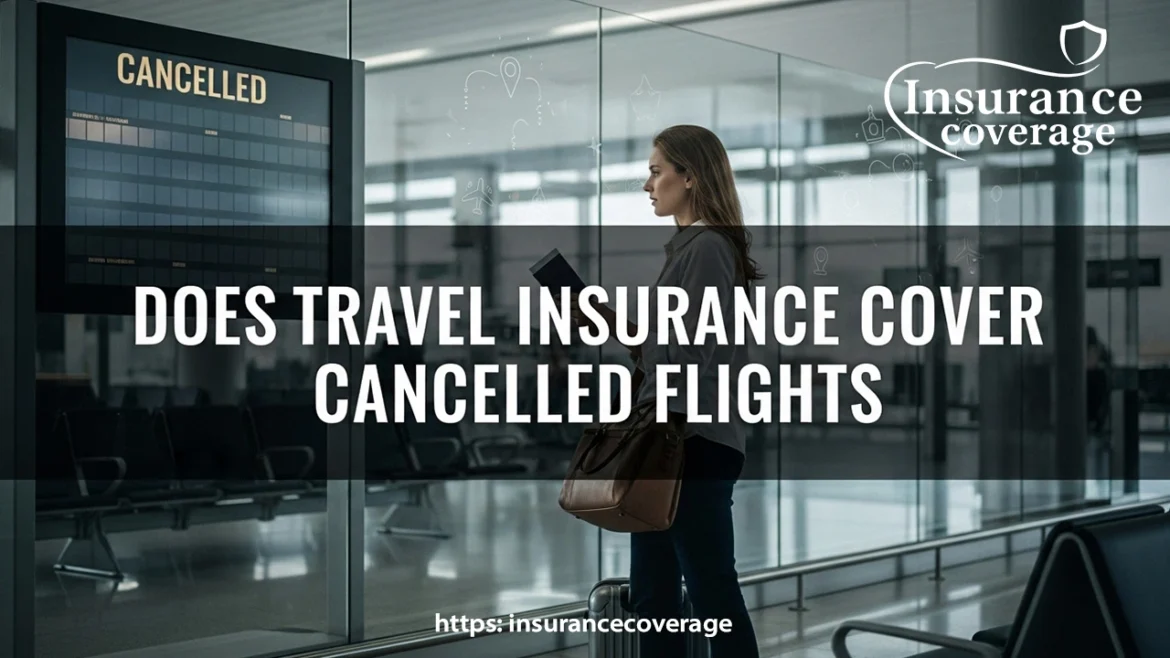
Does Travel Insurance Cover Cancelled Flights

Trip Delay and Lost Luggage Coverage

Trip delays and lost luggage are two of the most common travel issues. Expedia insurance addresses these problems with specific reimbursement:

Coverage TypeTypical LimitsNotes
Trip Delay$500โ€“$1,500Covers meals, lodging, transport during covered delays
Lost or Stolen Luggage$500โ€“$3,000Replacement of essentials, depending on plan
Baggage Delay$100โ€“$500Essential clothing and toiletries

This ensures that minor inconveniences like a missed connection or lost suitcase do not derail your entire trip.

Filing a Travel Insurance Claim with Expedia

Knowing how to navigate the Expedia travel insurance claim process ensures that you can receive reimbursement efficiently. Steps include:

  1. Report Immediately โ€“ Contact Expedia or the insurance provider as soon as the incident occurs.
  2. Documentation โ€“ Gather receipts, medical reports, police reports (for theft), and proof of travel.
  3. Submission โ€“ File the claim through the providerโ€™s portal or email, following plan-specific procedures.
  4. Review and Reimbursement โ€“ The insurer evaluates coverage eligibility and reimburses based on deductibles and limits.

Understanding how to file Expedia travel insurance claim is critical because incomplete documentation or filing past deadlines can lead to denied claims.

Limits and Hidden Rules

Insurance is effective only if you understand the limits and hidden rules:

  • Coverage Limits โ€“ Each type of claim has maximum payouts, e.g., medical, baggage, or trip cancellation.
  • Deductibles โ€“ The amount you must pay out-of-pocket before coverage applies.
  • Travel Dates and Restrictions โ€“ Some benefits only apply to specific trip lengths or conditions.
  • Non-Covered Reasons โ€“ Personal preference, weather conditions not deemed extreme, or airline policy restrictions can be excluded.

Always review the policy document carefully to understand the hidden rules Expedia travel insurance may impose, as this can affect your claim success.

Does Expedia Insurance Cover Flight Cancellations?

Yes, but with conditions. Coverage typically applies if the flight is canceled due to:

  • Illness or injury of the insured or immediate family member.
  • Weather events deemed hazardous by authorities.
  • Airline strikes or mechanical issues recognized by the policy.

Coverage does not usually include voluntary cancellations or changes made for personal convenience. Knowing this distinction helps manage expectations and plan contingency options.

Pre-Existing Conditions and Reimbursement Policies

Most standard plans exclude pre-existing medical conditions. However, some policies offer a waiver if purchased within a certain timeframe after booking. This is crucial for travelers with chronic health issues or those seeking medical coverage Expedia travel insurance.

Reimbursement for covered claims typically occurs after:

  1. Deductibles are applied.
  2. Coverage limits are checked.
  3. Documentation of expenses is verified.

This ensures transparency in payouts and prevents disputes.

Best Cruise Travel Insurance

Trip Interruption and Cancellation Coverage

Trip interruption insurance reimburses the unused portion of your trip if you need to return home early due to covered reasons. This can include:

  • Medical emergencies.
  • Family emergencies.
  • Natural disasters affecting your destination.

Trip cancellation insurance works similarly but applies before the trip begins. Always confirm covered reasons for Expedia travel insurance claims to avoid assumptions about coverage.

Travel Insurance for Expedia Bookings Abroad

Expedia travel insurance can be purchased when booking flights, hotels, or vacation packages. This convenience allows you to bundle coverage with your itinerary, but it is essential to confirm coverage limits, exclusions, and whether pre-existing condition waivers are needed.

International travelers benefit from:

  • Emergency medical coverage abroad.
  • Repatriation if hospitalization occurs in a foreign country.
  • Assistance with lost passports or travel documents.

Many travelers fail to check these benefits and later face unanticipated costs. Using resources like auto insurance planning guides can help align coverage with overall risk management strategies.

Conclusion

Understanding what does Expedia travel insurance cover is more than reading a few lines on a website. Coverage spans trip cancellation, trip interruption, medical emergencies, lost luggage, and travel delaysโ€”but each comes with limits, deductibles, and exclusions. Familiarizing yourself with the hidden rules, claim process, and plan options allows for better decision-making and peace of mind.

While Expedia insurance provides valuable protection, it is essential to read policy documents carefully, maintain documentation for claims, and ensure coverage aligns with your travel needs. Being prepared for contingencies helps minimize stress, ensures reimbursement for covered events, and allows you to enjoy your trip without surprises.

January 26, 2026 0 comments
0 FacebookTwitterPinterestEmail
Travel Insurance Cover Non-Refundable Flights
Travel Insurance

Does Travel Insurance Cover Non-Refundable Flights? Coverage, Limits & Exceptions

by jenniferlife January 22, 2026
written by jenniferlife

Booking a non-refundable flight often feels like signing a contract with fate. You pay upfront, often at a discounted rate, and accept that changes or cancellations will cost you. But the question many travelers have is whether travel insurance can protect that investment. Understanding insurance complete coverage in the context of non-refundable flights can make the difference between losing your money and recovering it when life throws a curveball. Travel insurance policies arenโ€™t all the same, and the rules around non-refundable airfare are particularly tricky.

Does Travel Insurance Cover non-refundable Flights?

So, the real question: Does Travel Insurance Cover non-refundable Flights? The short answer is yes, but with conditions. Standard trip cancellation insurance may cover non-refundable flights if the reason for cancellation falls under the policyโ€™s covered reasons. These reasons can include sudden illness, injury, death of a family member, or severe weather impacting your travel.

Non-refundable flight travel insurance is designed to protect the financial investment in tickets that wouldnโ€™t otherwise be returned by the airline. Airlines generally wonโ€™t refund these fares, but insurance can reimburse them if the cause matches the coverage outlined in your travel insurance policy.

Travel Insurance Cover Non-Refundable Flights

How Travel Insurance Treats non-refundable Tickets?

Non-refundable flight reimbursement insurance is often treated differently than refundable fares. Insurance policies generally reimburse what you actually paid, minus any fees the airline may allow as a partial credit. Travel insurance coverage is not automatic; the underlying reason for cancellation must be listed in the policy.

Some policies go further with CFAR travel insurance airfare Cancel For Any Reason. These policies allow reimbursement even when the cancellation isnโ€™t due to illness, weather, or another traditional covered reason. CFAR is optional, usually more expensive, and must often be purchased within a short time after booking.

Non-covered reasons for non-refundable flights include personal change of mind, traffic delays, or minor scheduling conflicts. These exclusions often catch travelers off guard.

Trip Cancellation Insurance and Non-refundable Airfare

Trip cancellation insurance is the section of your policy most relevant to non-refundable flights. It covers the cost if you cannot travel due to covered reasons. Examples include sudden illness, jury duty, or natural disasters. Documentation is critical. Policies typically require proof such as doctorโ€™s notes, hospital records, or official notices to support your claim.

Travel insurance benefits in this context ensure that non-refundable flight reimbursement insurance actually works when it matters. Without proper documentation, insurers often deny claims, even if the reason seems obvious.

travel insurance quote

If youโ€™re worried about unforeseen events, looking at house insurance cover comparisons helps understand the differences between optional protection and mandatory coverage. Travel insurance works similarly; you can choose policies that cover more or less.

Trip interruption coverage for non-refundable flights

Trip interruption coverage is slightly different. It comes into play if your trip has already started but you cannot continue due to a covered reason. For example, if youโ€™re mid-cruise and a medical emergency requires you to return home, interruption coverage may reimburse your non-refundable airfare for the return trip.

Flight cancellation insurance often overlaps with interruption coverage, but timing is key. Cancellation benefits apply before departure, while interruption benefits apply after departure. Understanding this distinction ensures travelers donโ€™t misfile claims or misunderstand reimbursements.

Common Scenarios where Coverage Applies

Hereโ€™s a table outlining when travel insurance usually pays for non-refundable flights:

ScenarioLikely Covered?Coverage Type
Sudden illness preventing travelYesTrip cancellation insurance
Death of a family memberYesTrip cancellation insurance
Severe weather preventing departureYesTrip cancellation / interruption coverage
Airline goes bankruptYesNon-refundable flight reimbursement insurance
Personal preference / change of mindNoExcluded
Traffic or oversleepingNoExcluded

Understanding these scenarios helps avoid disappointment during claims.

Documentation Required for Claims

Documentation required travel insurance claim submissions is critical. Airlines rarely provide refunds for non-refundable tickets, so insurers rely on proof that your claim meets policy criteria. Typical requirements include:

  • Airline ticket purchase receipt
  • Medical documentation for illness or injury
  • Official notices for family emergencies
  • Proof of travel disruption (weather reports, flight delays, etc.)

Policies vary, but without proper paperwork, reimbursement may be denied. This emphasis on proof mirrors other insurance areas, such as do all the vets cover pet insurance, where documentation determines coverage.

cheap travel insurance

Cancel For Any Reason (CFAR) Policies

CFAR travel insurance for non-refundable airfare provides flexibility. With CFAR, travelers can cancel for reasons not normally covered by standard trip cancellation insurance. These policies typically reimburse a percentage (usually 50โ€“75%) of the non-refundable airfare.

CFAR must be purchased shortly after the initial trip booking, often within 10โ€“15 days. While more expensive, it offers peace of mind when booking non-refundable tickets, especially for long or costly international trips.

How Airline Policies Interact with Travel Insurance

Airline cancellation vs travel insurance coverage can be confusing. Airlines often offer credits or vouchers, but not cash refunds, for non-refundable tickets. Travel insurance can reimburse actual cash expenses, ensuring travelers arenโ€™t out-of-pocket.

Missed flight non-refundable ticket insurance is often included when the airline cancels a flight or delays it significantly. Policies may also cover additional travel expenses incurred due to the airlineโ€™s actions, like overnight accommodations or transportation.

Travel insurance exclusions non-refundable tickets often leave gaps if travelers attempt to claim personal oversights or minor inconveniences. Understanding airline policies and coverage rules is crucial before filing claims.

Travel insurance claim process for non-refundable flights

The travel insurance claim process for non-refundable flights usually involves multiple steps:

  1. Notify the insurer as soon as the reason for cancellation occurs.
  2. Submit documentation proving the covered reason.
  3. Include receipts and airline correspondence.
  4. Wait for approval and reimbursement.

Travel insurance payout non-refundable flights can take days to weeks, depending on the complexity of the claim and documentation provided. Timely submission and completeness of paperwork improve the likelihood of a successful claim.

Covered vs Non-Covered Reasons for Flight Reimbursement

Covered vs non covered reasons flight cancellation is a frequent question. Generally, policies cover:

  • Illness or injury
  • Death of a traveler or immediate family member
  • Natural disasters or severe weather
  • Mandatory work obligations or jury duty
  • Airline insolvency or schedule changes

Non-covered reasons typically include:

  • Change of mind
  • Travel to events you no longer want to attend
  • Oversleeping or traffic delays
  • Personal scheduling conflicts

Clear understanding of these distinctions prevents denied claims and frustration.

Tips for Travellers with non-refundable Tickets:

  1. Check your policy thoroughly before booking.
  2. Keep all receipts and emails related to travel plans.
  3. Consider CFAR coverage if risk tolerance is low.
  4. Understand airline policies alongside your insurance coverage.
  5. Keep medical or legal documentation handy if cancellation is for covered reasons.

Travelers often underestimate how documentation-heavy the claim process is. Preparation improves your chances of reimbursement.

Conclusion:

So, does travel insurance cover non-refundable flights? It can, but only under specific circumstances. Non-refundable flight travel insurance works best when cancellations are caused by covered reasons like illness, weather, or family emergencies. CFAR policies provide more flexibility, but at a higher cost.

Travel insurance benefits are only as good as your understanding of coverage limits, exclusions, and documentation requirements. Missteps in filing or relying solely on airline guarantees can lead to denied claims. For travelers with non-refundable tickets, insurance isnโ€™t a guarantee, but it can be a valuable safety net.

If your trip has any potential for disruption, investing in a well-understood travel insurance policy can save you significant stress and financial loss. Just remember, insurance is protection under the rules, not a catch-all for every mishap. Planning ahead, choosing the right coverage, and keeping records are the keys to making the most of it.

January 22, 2026 0 comments
0 FacebookTwitterPinterestEmail
Does Travel Insurance Cover Missed Flights? The Truth Behind the Fine Print
Travel Insurance

Does Travel Insurance Cover Missed Flights? The Truth Behind the Fine Print

by jenniferlife January 22, 2026
written by jenniferlife

Missing a flight is one of those travel moments that sticks with you. The stress hits fast. One minute youโ€™re checking the departure board, the next youโ€™re watching your gate close. People usually buy travel insurance hoping it will soften moments like that. The real question is whether it actually does. Understanding how missed flights fit into insurance complete coverage isnโ€™t straightforward, and a lot of travelers only find out after something goes wrong.

Travel insurance can help with missed flights, but it doesnโ€™t work in a blanket way. Coverage depends on why the flight was missed, how the policy is written, and what proof you can provide. Thatโ€™s why the same situation can lead to a payout for one traveler and a denial for another.

Does Travel Insurance Cover Missed Flights?

This is where confusion starts, so itโ€™s worth being direct. Does Travel Insurance Cover Missed Flights? Sometimes yes, sometimes no. Missed flight travel insurance usually falls under trip interruption coverage or missed connection insurance, not basic cancellation. If the reason fits what the policy considers a covered event, reimbursement may happen. If it doesnโ€™t, the policy wonโ€™t bend.

Does Travel Insurance Cover Missed Flightsโ€‹?

Missed flight travel insurance isnโ€™t about the act of missing the flight itself. Itโ€™s about the cause behind it. Airlines, insurers, and travelers all look at that cause very differently.

Why people miss flights in the first place

Flights are missed for dozens of reasons. Some are outside anyoneโ€™s control, others arenโ€™t. Weather delays, airline schedule changes, mechanical issues, or airport security delays are common. Traffic accidents on the way to the airport happen too. So do missed alarms, long coffee lines, and bad planning.

Travel insurance coverage separates these reasons into neat categories, even though real life rarely feels neat. Covered reasons for missed flights are usually specific and limited. Non covered reasons missed flight insurance claims are where frustration often begins.

Missed connections vs missed departures

Missed connection insurance is one of the most misunderstood parts of a travel insurance policy. A missed connection usually means one flight was delayed, causing you to miss another flight on the same trip. This is different from missing your first departure because you arrived late at the airport.

Does travel insurance cover missed connecting flights? Often yes, if the delay was caused by a covered reason like weather or airline issues. Missed flight due to airline delay insurance is one of the more common approved claims. Missed flight because of traffic insurance is usually not.

That distinction matters more than most people expect.

How trip interruption coverage actually works

Trip interruption coverage steps in when your trip has already started and something forces it to change. A missed flight due to weather travel insurance coverage often lives here. If a storm delays your first leg and you miss the next one, trip interruption coverage may reimburse additional costs like hotel stays, meals, or rebooking fees.

Some travelers assume trip cancellation insurance applies instead. Thatโ€™s a mistake. Trip cancellation insurance is designed for events that happen before the trip begins. Missing a flight mid-journey usually pushes the claim into interruption territory.

This difference becomes clearer when comparing travel insurance to other forms of coverage, like house insurance cover, where timing and cause also dictate outcomes.

Flight delay insurance and missed flights

Flight delay insurance sounds like it should solve everything, but it has limits. It usually pays a flat amount after a delay crosses a certain number of hours. It doesnโ€™t automatically cover the cost of missing the next flight.

Best Cruise Travel Insurance

Flight delay insurance and missed flight travel insurance sometimes work together, but they donโ€™t overlap completely. One might pay for meals during a delay, while the other covers rebooking costs if the delay causes a missed connection.

Travel insurance benefits are layered, not bundled into a single safety net.

When travel insurance usually pays

Travel insurance for missed flights due to delay often pays when the delay is documented and unavoidable. Airline mechanical failures, air traffic control issues, and severe weather are common examples. Missed flight due to airline delay insurance is one of the clearer scenarios.

Medical emergencies can also trigger coverage. If you or a travel companion suddenly become ill and canโ€™t reach the airport in time, emergency travel insurance missed flight provisions may apply. Documentation is critical here.

This need for proof mirrors other insurance spaces too. Just like people ask do all the vets cover pet insurance, travellers eventually ask how much documentation insurers expect. The answer is usually โ€œmore than you think.โ€

When travel insurance usually doesnโ€™t pay

Missed flight because of traffic insurance claims are often denied. Insurers argue traffic is predictable and should be planned around. Missed alarms, oversleeping, or misunderstanding boarding times are almost never covered. Non covered reasons missed flight insurance clauses are where policies draw hard lines. Even if the outcome feels unfair, insurers stick to definitions written into the travel insurance policy. This is why reading exclusions matters more than reading benefits.

A simple breakdown of common scenarios

Reason for missed flightLikely covered?Coverage type
Airline mechanical delayYesTrip interruption
Severe weatherYesTrip interruption
Airport security delaySometimesMissed connection insurance
Traffic accidentRarelyUsually excluded
OversleepingNoExcluded
Medical emergencyYesEmergency coverage

This table doesnโ€™t replace a policy, but it reflects how travel insurance coverage usually plays out in real claims.

The travel insurance claim process for missed flights

The travel insurance missed flight claim process can feel slow. Insurers typically ask for proof required for missed flight insurance claim submissions. That may include airline delay letters, boarding passes, receipts, and official statements. Travel insurance claim approval often hinges on paperwork rather than sympathy. Missing one document can stall or sink a claim. Travellers who keep emails, screenshots, and receipts tend to fare better.

travel insurance cover missed flightsโ€‹

Travel insurance missed flight reimbursement rarely happens quickly. Patience is part of the process.

Compensation vs Reimbursement

Travel insurance missed flight compensation isnโ€™t the same as airline compensation. Airlines may rebook you for free under their policies. Insurance reimburses extra expenses you had to pay out of pocket.

This distinction confuses many travelers. Insurance fills gaps, it doesnโ€™t replace airline responsibility. Understanding this helps manage expectations during stressful situations.

Missed flights and Exclusions you Donโ€™t Expect

Travel insurance exclusions missed flights clauses can be surprisingly specific. Some policies exclude missed flights caused by labor strikes unless you bought coverage before the strike was announced. Others exclude certain weather events if they were forecast.

Travel insurance policy wording often matters more than the policy name. Two plans marketed similarly can treat missed flights very differently.

How Missed Flight Coverage Compares to other Insurance Decisions

People often compare travel insurance choices the same way they compare unrelated coverage, like motorcycle insurance vs car insurance. Both protect vehicles, but the risks and rules differ. Travel insurance works the same way. It protects travel, but only within defined boundaries.

Understanding those boundaries ahead of time prevents disappointment later.

Choosing a Policy with Missed Flight Coverage in Mind

Travellers who worry about missed flights should look closely at trip interruption coverage limits and missed connection insurance definitions. Policies that include broader covered reasons tend to cost more but offer fewer surprises. CFAR options can help, but they rarely apply directly to missed flights unless the trip is fully canceled. Theyโ€™re not a catch-all solution.

What happens if you miss a flight with travel insurance

What happens if you miss a flight with travel insurance depends less on the insurance and more on the reason. If it fits a covered reason, the process starts. If it doesnโ€™t, the policy steps aside. This reality frustrates travellers, but itโ€™s consistent across insurers. Travel insurance benefits are conditional by design.

The Human Side of Missed Flights

Behind every missed flight travel insurance claim is a tired traveller, often stressed and far from home. Policies donโ€™t reflect that emotion. They reflect definitions, exclusions, and documentation standards. Understanding this gap helps travelers approach insurance realistically. Itโ€™s not emotional protection, itโ€™s financial protection under rules.

Final thoughts

So, does travel insurance cover missed flights? Sometimes. Missed flight travel insurance works best for delays you couldnโ€™t control and could prove. It fails fast when responsibility falls on the traveller. Knowing this before you book doesnโ€™t eliminate risk, but it does remove surprises. Travel insurance coverage isnโ€™t magic, but when it works, it can turn a ruined day into a manageable one.

January 22, 2026 0 comments
0 FacebookTwitterPinterestEmail
Do You Have to Insure a Travel Trailer? The Answer May Surprise You
Travel Insurance

Do You Have to Insure a Travel Trailer? The Answer May Surprise You

by jenniferlife January 21, 2026
written by jenniferlife

People buy travel trailers for freedom. Weekends away, long summers on the road, quiet nights parked somewhere new. Then a practical question creeps in, usually right after the paperwork or before the first trip: do you have to insure a travel trailer? It sounds simple, but the answer sits in a gray space between law, lender rules, and personal risk tolerance. Many owners assume their tow vehicle policy covers everything. Others assume insurance is mandatory everywhere. Neither assumption is fully right, and thatโ€™s where confusion starts.

At a basic level, travel trailers donโ€™t work like cars. They donโ€™t drive themselves, they donโ€™t have engines, and they donโ€™t fit neatly into auto insurance rules. Still, they represent real value and real risk. Understanding how insurance coverage applies to them takes a bit of untangling, and thatโ€™s what most new owners are trying to do.

Do You Have to Insure a Travel Trailer

The short answer is that travel trailer insurance is not always legally required, but that doesnโ€™t mean itโ€™s optional in practice. In many states, travel trailer insurance mandatory laws donโ€™t exist in the same way they do for cars. You can technically own and tow a trailer without a separate policy. Thatโ€™s why people ask, do I need trailer insurance at all?

The longer answer depends on three things: state law, whether the trailer is financed, and how much risk youโ€™re comfortable carrying. Travel trailer insurance required rules change once money is involved or once the trailer leaves your driveway. Even when the law stays quiet, lenders and campgrounds often arenโ€™t.

End of Life Insurance

Why travel trailers fall into a legal gray area

Unlike motorhomes, travel trailers are towed. Liability while driving usually flows through the tow vehicleโ€™s policy. Thatโ€™s why some owners believe their auto insurance fully protects them. In limited ways, thatโ€™s true. If the trailer causes damage while attached, your vehicleโ€™s liability coverage often applies.

What that liability doesnโ€™t cover is the trailer itself. Theft, fire, storm damage, vandalism, or an accident when itโ€™s parked are separate issues. RV trailer insurance laws donโ€™t force coverage for those losses, but the financial hit can be real. Thatโ€™s where insure travel trailer necessity becomes less theoretical and more personal.

State laws and why they matter less than people think

Most states donโ€™t explicitly require standalone travel trailer insurance. There are exceptions and odd rules, like the Michigan trailer insurance rule, which focuses more on registration thresholds and weight. Even there, mandatory insurance isnโ€™t as clear-cut as people expect.

State RV trailer requirements usually focus on registration, roadworthiness, and towing safety, not insurance ownership. That leaves owners with a choice. Travel trailer insurance mandatory language rarely shows up in statutes, but risk doesnโ€™t disappear just because the law is quiet.

When lenders quietly change the rules?

The moment a trailer is financed, the equation changes. Financed trailer insurance is almost always required by the lender. Banks and RV financing companies want to protect their collateral. They donโ€™t rely on your auto policyโ€™s limited protections.

Lender required trailer insurance usually includes comprehensive and collision coverage. This ensures the trailer is repaired or paid off if itโ€™s damaged or destroyed. Even if your state doesnโ€™t care, the loan agreement will. Thatโ€™s why many people end up insured without realizing they technically had a choice before financing.

Tow vehicle coverage and its limits

Tow vehicle trailer coverage often gets misunderstood. Your auto policyโ€™s liability coverage usually extends to a trailer while itโ€™s being towed. If the trailer sways and causes an accident, liability typically falls under the vehicleโ€™s policy.

What doesnโ€™t extend is physical damage to the trailer. Thatโ€™s where comprehensive trailer policy options come in. Without them, damage to the trailer itself often comes straight out of pocket. Collision coverage trailer options protect against accidents, while comprehensive covers non-collision events like storms or theft.

Do You Have to Insure a Travel Trailer? The Answer May Surprise Youโ€

Living on the road and health considerations

For people who spend extended time traveling, insurance decisions blend together. Medical coverage, emergency access, and vehicle protection all overlap mentally. Some policies even connect loosely with services like telehealth insurance, especially for travelers who spend weeks away from their primary doctors.

This doesnโ€™t directly change trailer insurance pricing, but it shapes how owners think about risk. Long-term travel raises exposure. A parked trailer during a months-long trip faces more chances for damage than one stored at home.

When personal circumstances push the decision?

Health, family, and finances all influence whether optional travel trailer policy coverage feels optional. Owners travelling with elderly relatives or cancer patients often lean toward broader protection. A breakdown or loss becomes more than an inconvenience when schedules and care matter.

Insurance doesnโ€™t prevent problems, but it can prevent them from cascading. That perspective pushes many people toward coverage even when the law doesnโ€™t demand it.

What travel trailer insurance usually covers

Most standalone policies bundle a few core protections. Comprehensive coverage handles theft, weather, fire, and vandalism. Collision coverage addresses accidents, whether towing or parked. Some policies include personal property coverage for items stored inside the trailer.

Trailer liability coverage is sometimes offered separately, especially for use when the trailer is parked and unhitched. This protects against injuries or damage occurring around the trailer itself. Not every owner needs this, but some campgrounds or long-term parks expect it.

A simple comparison of coverage scenarios

SituationAuto Policy OnlyTrailer Insurance
Accident while towingLiability onlyLiability + trailer damage
Theft while parkedNot coveredCovered
Storm damageNot coveredCovered
Loan requirementOften insufficientMeets lender rules
Storage lossesRarely coveredOften covered

This table shows why travel trailer insurance required debates miss the point. The law may not force coverage, but exposure exists either way.

Costs and why they surprise people

Travel trailer insurance is usually cheaper than people expect. Policies often cost far less than auto insurance. Pricing depends on trailer value, usage, storage location, and coverage limits. Older trailers cost less to insure, but replacement parts can still be expensive.

Is Life Insurance Haram or Halal?

Because the cost feels manageable, many owners insure by default. The insure travel trailer necessity question becomes less stressful once numbers replace assumptions.

Using a travel trailer as a second home

Some people treat their trailer like a vacation cabin. It stays parked for months at a time. In those cases, coverage begins to resemble homeowners logic. Thatโ€™s where thinking overlaps with home owners insurance plans, especially when trailers are used seasonally or semi-permanently.

Home policies sometimes extend limited coverage to trailers on your property, but those limits are often low. A dedicated policy fills gaps that homeowners insurance doesnโ€™t intend to handle.

Renting out your travel trailer

Peer-to-peer rental platforms changed how trailers are used. Once a trailer earns income, personal policies may no longer apply. Commercial use often requires specific endorsements or separate policies.

Owners renting their trailers face higher risk. Damage, misuse, or liability claims become more likely. In these cases, do I need trailer insurance stops being a question and becomes a requirement set by platforms or insurers.

Storage, theft, and seasonal risk

Trailers spend a lot of time parked. Storage yards, driveways, and campgrounds all carry theft and vandalism risks. Comprehensive coverage addresses these scenarios. Without it, owners often learn the hard way how exposed stored trailers can be.

Seasonal storage also increases weather risk. Hail, falling branches, and floods donโ€™t care whether a trailer is in motion. Thatโ€™s another reason travel trailer insurance required feels like a misleading phrase. Risk exists even when the trailer doesnโ€™t move.

Insurance and peace of mind

Some owners self-insure mentally. They accept the risk and set aside savings. Others prefer predictable costs. Neither approach is wrong. What matters is clarity. Understanding what isnโ€™t covered matters as much as knowing what is.

Insurance works best when it aligns with how the trailer is actually used. Weekend campers, full-time travelers, and storage-only owners all face different exposures.

Common myths that keep people uninsured

A common belief is that small trailers donโ€™t need insurance. Size matters less than value and use. Another myth is that campground rules cover losses. They usually donโ€™t. Campgrounds limit their liability carefully.

Another misconception is that insurance only matters while towing. Most claims happen when trailers are parked, not moving.

When insurance feels unnecessary until it isnโ€™t

Many owners go years without a claim. That reinforces the idea that insurance was unnecessary. Then one storm or theft rewrites that belief overnight. The financial shock often exceeds years of saved premiums.

This doesnโ€™t mean everyone should insure automatically. It means the decision should be informed, not accidental.

Final thoughts

So, do you have to insure a travel trailer? Legally, often no. Practically, often yes. Travel trailer insurance required rules may not be written into law, but lenders, risk, and real-world losses write their own version.

For some owners, insurance feels like unnecessary overhead. For others, itโ€™s part of responsible ownership. The right answer sits somewhere between the law and personal comfort, shaped by how and why the trailer exists in the first place.

January 21, 2026 0 comments
0 FacebookTwitterPinterestEmail
Newer Posts
Older Posts

Recent Posts

  • What Does Travel Insurance Cover? Complete Guide

    February 11, 2026
  • Everything you need to know about Insurance?

    February 9, 2026
  • How much is a $500,000 life insurance policy for 60 year old man?

    February 5, 2026
  • What Is the Best Website for Insurance? Top Platforms Compared

    February 5, 2026
  • What Is the Cheapest Full Coverage Insurance in the USA? 2025 Comparison

    February 5, 2026
  • What Is International Health Insurance? Coverage, Costs, and Who Needs It

    February 4, 2026

Social Feed

Social Feed

Newsletter

Insurance Coverage provides up-to-date information on insurance coverage, including health insurance, auto insurance, life insurance, home insurance, business insurance, and financial protection strategies. Our goal is to help users understand insurance policies, coverage options, claims, and industry trends for smarter insurance decisions.ย 
Facebook Twitter Youtube Linkedin Envelope Rss

Useful Links

    • Home
    • About
    • Our Authors
    • Contact us
    • Privacy Policy
    • Term's and Conditions

Edtior's Picks

What Is International Health Insurance? Coverage, Costs, and Who Needs It
Can You Have Two Health Insurances? How Dual Coverage Really Works
Is Champion Health Insurance a Good Choice? What You Should Know

Latest Articles

What Does Travel Insurance Cover? Complete Guide
Everything you need to know about Insurance?
How much is a $500,000 life insurance policy for 60 year old man?
What Is the Best Website for Insurance? Top Platforms Compared
Insurancecoverage:  All Right Reserved.

Heading Title

Travel Insurance

What Does Travel Insurance Cover? Complete Guide

by jenniferlife February 11, 2026
Insurance

Everything you need to know about Insurance?

by jenniferlife February 9, 2026
InsuranceLife Insurance

How much is a $500,000 life insurance policy for 60 year old man?

by david williams February 5, 2026
Insurance

What Is the Best Website for Insurance? Top Platforms Compared

by jenniferlife February 5, 2026
Insurance

What Is the Cheapest Full Coverage Insurance in the USA? 2025 Comparison

by jenniferlife February 5, 2026
Health Insurance

What Is International Health Insurance? Coverage, Costs, and Who Needs It

by david williams February 4, 2026
Health Insurance

Can You Have Two Health Insurances? How Dual Coverage Really Works

by david williams February 4, 2026
Home Insurance

Do Solar Panels Increase Home Insurance?

by michaeljohnson February 3, 2026
Home Insurance

What Is a Good Deductible for Home Insurance?

by michaeljohnson February 3, 2026
Home Insurance

Does Home Insurance Go Up After a Claim? What Homeowners Should Expect

by michaeljohnson February 2, 2026
insurance coverage
  • Home
  • Insurance Coverage
    • Health Insurance
    • Home Insurance
    • Life Insurance
    • Pet insurance
    • Travel Insurance
    • Auto Insurance
  • About us
  • Contact us
  • Our Authors
  • Terms & Conditions
  • Privacy Policy
insurance coverage
  • Home
  • Insurance Coverage
    • Health Insurance
    • Home Insurance
    • Life Insurance
    • Pet insurance
    • Travel Insurance
    • Auto Insurance
  • About us
  • Contact us
  • Our Authors
  • Terms & Conditions
  • Privacy Policy

Newsletter