

The question of when to purchase travel insurance usually comes up right after flights are booked, when excitement is high and planning feels mostly done. That moment matters more than people think. Travel insurance isn’t just paperwork you add later. Timing affects what gets covered, what doesn’t, and how useful the policy really is when plans start shifting. Understanding this early can change how much protection you actually get under your coverage of insurance, especially for trips where costs stack up quickly.
When to Purchase Travel Insurance Actually Makes a Difference?
Many travelers assume travel insurance works the same no matter when it’s bought. That assumption quietly causes most problems. The best time to buy travel insurance often starts the day you make your first non-refundable payment. That could be a flight, cruise deposit, or hotel booking. Buying early doesn’t mean you’re being overly cautious. It means your travel insurance policy can attach itself to the full timeline of your trip, instead of just the end of it.
Policies bought soon after booking usually include wider travel insurance benefits. These may involve trip cancellation insurance, coverage for pre-existing conditions, and clearer trip protection rules. Waiting too long often narrows those options.
Why early Planning Changes What your Policy Protects?
Travel insurance coverage is shaped by dates. The coverage start date isn’t always the day you buy the policy. For many plans, certain benefits only activate if the insurance is purchased within a specific window. That window is often 10 to 21 days after your first trip payment.
This timing rule is similar to how home owner insurance cover works. Buying protection after damage has already happened rarely helps. Travel insurance follows that same logic. It’s meant to guard against uncertainty, not known risks.
When insurance is purchased early, trip insurance may include broader trip cancellation insurance, coverage for non-refundable bookings, and fewer exclusions tied to health history or destination warnings.
Booking flights first doesn’t mean you should wait
A common question is whether it’s okay to buy travel insurance after booking flights. The short answer is yes, but with limits. If flights are refundable, waiting may not hurt much. If they’re non-refundable, delays can reduce protection.
Many travelers book flights months ahead and assume insurance can wait until hotels or tours are added. That gap matters. Buying travel insurance after booking a flight can mean missing the window for certain benefits, especially those tied to pre-existing conditions or full trip value protection. The best time to buy travel insurance usually lines up with your first financial commitment, not when planning feels complete.
How Travel Insurance Timing Affects Cost?
Travel insurance cost doesn’t usually increase just because you buy early. Prices are more influenced by age, trip value, destination, and coverage limits. Timing affects what’s included, not how expensive it is.
Waiting can create the illusion of savings, but it often trims benefits quietly. That’s how travelers end up with policies that look fine on paper but fall short when claims are filed.
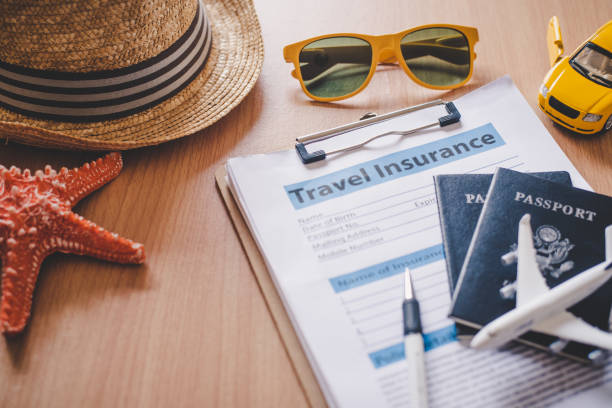
Travel insurance timing rules exist to prevent people from buying coverage only after problems appear. Understanding that makes the structure feel more reasonable, even if it’s inconvenient.
Pre-existing Conditions and Waiting Periods
One of the biggest reasons timing matters involves health. Many travel insurance policies offer a waiver for pre-existing conditions, but only if the policy is purchased within a strict time frame after the first booking.
This isn’t about denying care. It’s about risk boundaries. Buying early can remove waiting periods entirely for certain medical claims. Buying late often reintroduces exclusions that travelers don’t notice until something happens.
This mirrors questions people ask like can i cancel pet insurance before surgery. The answer depends on timing, policy terms, and what’s already occurred. Insurance tends to reward early decisions and penalize delays.
When is it too late to buy travel insurance?
It’s rarely “too late” to buy travel insurance, but it can be too late for specific benefits. Last-minute travel insurance still covers things like emergency medical care, trip interruption, or lost baggage. It usually won’t cover trip cancellation for known events. If a storm is already named, a strike already announced, or a medical condition already diagnosed, insurance bought afterwards won’t help with those issues. That’s not fine print trickery. It’s how risk sharing works. Understanding when it’s too late helps travellers choose realistic expectations instead of assuming full trip protection is automatic.
Cruises, tours, and long international Trips
Timing becomes even more important for cruises and international travel. Cruise lines often require early deposits and enforce strict cancellation penalties. Buying travel insurance late in these cases can expose travellers to large losses. The best travel insurance timing for cruises often aligns with deposit payments, not final balances. International trips also benefit from early coverage because medical care abroad, evacuation, and long interruptions can be expensive. Just like car insurance protects against high-cost accidents you hope never happen, early travel insurance protects against disruptions you don’t plan for.
Cancel for any reason coverage and strict deadlines
Cancel for any reason travel insurance timing is especially unforgiving. These policies almost always require purchase within a short window after the first booking. Miss that window, and the option disappears.
CFAR coverage gives flexibility, but it’s tied tightly to timing rules. It doesn’t work as a last-minute add-on. Travelers who want that freedom need to decide early, even if plans feel solid. This is where many travelers miss the “perfect timing” entirely, assuming flexibility can be added later.

Understanding travel insurance purchase deadlines
Each travel insurance policy sets its own purchase deadline rules. Some allow coverage up until departure, others restrict key benefits much earlier. Reading those dates matters more than reading long benefit descriptions.
These deadlines function a lot like policy timelines in probate insurance, where coverage depends on when arrangements are made, not when outcomes occur. Insurance responds to planning, not hindsight.
Knowing how soon you should buy travel insurance avoids disappointment later, especially for travelers managing complex itineraries.
Table: How timing changes travel insurance benefits
| Purchase Timing | What You Usually Get | What You Often Miss |
|---|---|---|
| Within 10–14 days of first booking | Full trip cancellation insurance, pre-existing condition waivers | Very few exclusions |
| After flights but before final payments | Standard trip protection, medical coverage | Limited cancellation reasons |
| Close to departure | Emergency medical, trip interruption | Cancellation for known events |
| After issues arise | Minimal protection | Most trip insurance benefits |
Is it Worth Buying Travel Insurance Early?
For most travellers, yes. Buying early doesn’t lock you into bad plans. Policies can often be adjusted as trip value changes. What early purchase really does is preserve options. Travel insurance before or after booking isn’t about rules for the sake of rules. It’s about aligning coverage with uncertainty. The earlier uncertainty exists, the more sense insurance makes. That’s why experienced travellers often treat insurance as part of booking, not an afterthought.
Final Thoughts
The real answer to when to purchase travel insurance isn’t a single date. It’s a mindset. Buy when uncertainty begins, not when worry starts. Travel insurance works best when it’s quiet and boring, sitting unused while plans go smoothly. The best time to buy travel insurance usually arrives earlier than expected, right when excitement is highest and risk feels distant. Missing that moment doesn’t always mean disaster, but it does change what protection looks like later. Understanding timing keeps travel insurance from becoming a false sense of security. It turns it into what it’s meant to be: steady, practical support when travel doesn’t follow the plan you imagined.