
People buy travel trailers for freedom. Weekends away, long summers on the road, quiet nights parked somewhere new. Then a practical question creeps in, usually right after the paperwork or before the first trip: do you have to insure a travel trailer? It sounds simple, but the answer sits in a gray space between law, lender rules, and personal risk tolerance. Many owners assume their tow vehicle policy covers everything. Others assume insurance is mandatory everywhere. Neither assumption is fully right, and that’s where confusion starts.
At a basic level, travel trailers don’t work like cars. They don’t drive themselves, they don’t have engines, and they don’t fit neatly into auto insurance rules. Still, they represent real value and real risk. Understanding how insurance coverage applies to them takes a bit of untangling, and that’s what most new owners are trying to do.
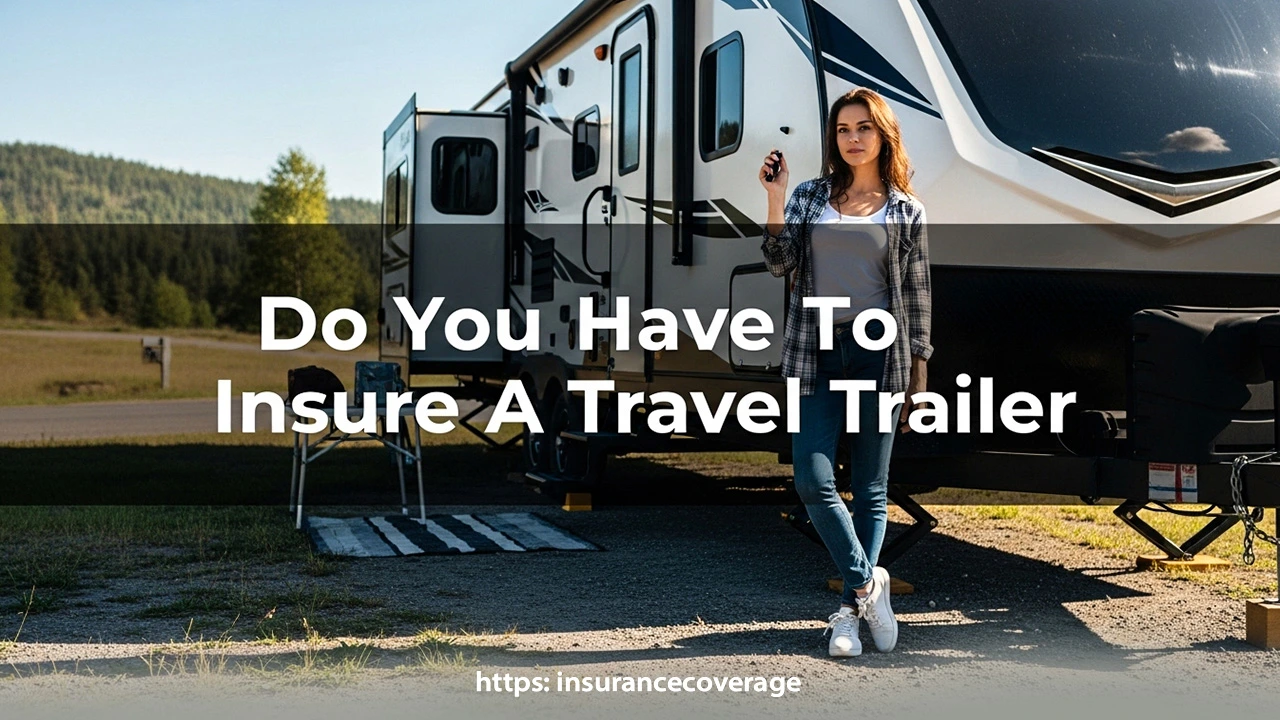
Do You Have to Insure a Travel Trailer
The short answer is that travel trailer insurance is not always legally required, but that doesn’t mean it’s optional in practice. In many states, travel trailer insurance mandatory laws don’t exist in the same way they do for cars. You can technically own and tow a trailer without a separate policy. That’s why people ask, do I need trailer insurance at all?
The longer answer depends on three things: state law, whether the trailer is financed, and how much risk you’re comfortable carrying. Travel trailer insurance required rules change once money is involved or once the trailer leaves your driveway. Even when the law stays quiet, lenders and campgrounds often aren’t.

Why travel trailers fall into a legal gray area
Unlike motorhomes, travel trailers are towed. Liability while driving usually flows through the tow vehicle’s policy. That’s why some owners believe their auto insurance fully protects them. In limited ways, that’s true. If the trailer causes damage while attached, your vehicle’s liability coverage often applies.
What that liability doesn’t cover is the trailer itself. Theft, fire, storm damage, vandalism, or an accident when it’s parked are separate issues. RV trailer insurance laws don’t force coverage for those losses, but the financial hit can be real. That’s where insure travel trailer necessity becomes less theoretical and more personal.
State laws and why they matter less than people think
Most states don’t explicitly require standalone travel trailer insurance. There are exceptions and odd rules, like the Michigan trailer insurance rule, which focuses more on registration thresholds and weight. Even there, mandatory insurance isn’t as clear-cut as people expect.
State RV trailer requirements usually focus on registration, roadworthiness, and towing safety, not insurance ownership. That leaves owners with a choice. Travel trailer insurance mandatory language rarely shows up in statutes, but risk doesn’t disappear just because the law is quiet.
When lenders quietly change the rules?
The moment a trailer is financed, the equation changes. Financed trailer insurance is almost always required by the lender. Banks and RV financing companies want to protect their collateral. They don’t rely on your auto policy’s limited protections.
Lender required trailer insurance usually includes comprehensive and collision coverage. This ensures the trailer is repaired or paid off if it’s damaged or destroyed. Even if your state doesn’t care, the loan agreement will. That’s why many people end up insured without realizing they technically had a choice before financing.
Tow vehicle coverage and its limits
Tow vehicle trailer coverage often gets misunderstood. Your auto policy’s liability coverage usually extends to a trailer while it’s being towed. If the trailer sways and causes an accident, liability typically falls under the vehicle’s policy.
What doesn’t extend is physical damage to the trailer. That’s where comprehensive trailer policy options come in. Without them, damage to the trailer itself often comes straight out of pocket. Collision coverage trailer options protect against accidents, while comprehensive covers non-collision events like storms or theft.

Living on the road and health considerations
For people who spend extended time traveling, insurance decisions blend together. Medical coverage, emergency access, and vehicle protection all overlap mentally. Some policies even connect loosely with services like telehealth insurance, especially for travelers who spend weeks away from their primary doctors.
This doesn’t directly change trailer insurance pricing, but it shapes how owners think about risk. Long-term travel raises exposure. A parked trailer during a months-long trip faces more chances for damage than one stored at home.
When personal circumstances push the decision?
Health, family, and finances all influence whether optional travel trailer policy coverage feels optional. Owners travelling with elderly relatives or cancer patients often lean toward broader protection. A breakdown or loss becomes more than an inconvenience when schedules and care matter.
Insurance doesn’t prevent problems, but it can prevent them from cascading. That perspective pushes many people toward coverage even when the law doesn’t demand it.
What travel trailer insurance usually covers
Most standalone policies bundle a few core protections. Comprehensive coverage handles theft, weather, fire, and vandalism. Collision coverage addresses accidents, whether towing or parked. Some policies include personal property coverage for items stored inside the trailer.
Trailer liability coverage is sometimes offered separately, especially for use when the trailer is parked and unhitched. This protects against injuries or damage occurring around the trailer itself. Not every owner needs this, but some campgrounds or long-term parks expect it.
A simple comparison of coverage scenarios
| Situation | Auto Policy Only | Trailer Insurance |
|---|---|---|
| Accident while towing | Liability only | Liability + trailer damage |
| Theft while parked | Not covered | Covered |
| Storm damage | Not covered | Covered |
| Loan requirement | Often insufficient | Meets lender rules |
| Storage losses | Rarely covered | Often covered |
This table shows why travel trailer insurance required debates miss the point. The law may not force coverage, but exposure exists either way.
Costs and why they surprise people
Travel trailer insurance is usually cheaper than people expect. Policies often cost far less than auto insurance. Pricing depends on trailer value, usage, storage location, and coverage limits. Older trailers cost less to insure, but replacement parts can still be expensive.

Because the cost feels manageable, many owners insure by default. The insure travel trailer necessity question becomes less stressful once numbers replace assumptions.
Using a travel trailer as a second home
Some people treat their trailer like a vacation cabin. It stays parked for months at a time. In those cases, coverage begins to resemble homeowners logic. That’s where thinking overlaps with home owners insurance plans, especially when trailers are used seasonally or semi-permanently.
Home policies sometimes extend limited coverage to trailers on your property, but those limits are often low. A dedicated policy fills gaps that homeowners insurance doesn’t intend to handle.
Renting out your travel trailer
Peer-to-peer rental platforms changed how trailers are used. Once a trailer earns income, personal policies may no longer apply. Commercial use often requires specific endorsements or separate policies.
Owners renting their trailers face higher risk. Damage, misuse, or liability claims become more likely. In these cases, do I need trailer insurance stops being a question and becomes a requirement set by platforms or insurers.
Storage, theft, and seasonal risk
Trailers spend a lot of time parked. Storage yards, driveways, and campgrounds all carry theft and vandalism risks. Comprehensive coverage addresses these scenarios. Without it, owners often learn the hard way how exposed stored trailers can be.
Seasonal storage also increases weather risk. Hail, falling branches, and floods don’t care whether a trailer is in motion. That’s another reason travel trailer insurance required feels like a misleading phrase. Risk exists even when the trailer doesn’t move.
Insurance and peace of mind
Some owners self-insure mentally. They accept the risk and set aside savings. Others prefer predictable costs. Neither approach is wrong. What matters is clarity. Understanding what isn’t covered matters as much as knowing what is.
Insurance works best when it aligns with how the trailer is actually used. Weekend campers, full-time travelers, and storage-only owners all face different exposures.
Common myths that keep people uninsured
A common belief is that small trailers don’t need insurance. Size matters less than value and use. Another myth is that campground rules cover losses. They usually don’t. Campgrounds limit their liability carefully.
Another misconception is that insurance only matters while towing. Most claims happen when trailers are parked, not moving.
When insurance feels unnecessary until it isn’t
Many owners go years without a claim. That reinforces the idea that insurance was unnecessary. Then one storm or theft rewrites that belief overnight. The financial shock often exceeds years of saved premiums.
This doesn’t mean everyone should insure automatically. It means the decision should be informed, not accidental.
Final thoughts
So, do you have to insure a travel trailer? Legally, often no. Practically, often yes. Travel trailer insurance required rules may not be written into law, but lenders, risk, and real-world losses write their own version.
For some owners, insurance feels like unnecessary overhead. For others, it’s part of responsible ownership. The right answer sits somewhere between the law and personal comfort, shaped by how and why the trailer exists in the first place.