


Most people find out how pet insurance really works when they’re standing at a clinic desk, card in hand, dog limping beside them. The question sounds simple, and it comes up fast: do all vets take pet insurance? People expect an easy yes or no. What they get instead is a pause, a receipt, and a reminder to file a claim later. If you’ve skimmed an insurance coverage guide and assumed vets work like human hospitals, that moment can feel jarring.
Pet insurance sits in an odd space. It’s tied to medical care, but it doesn’t run through clinics the way people expect. That mismatch is the source of most confusion.
Do All Vets Take Pet Insurance the Way Owners Imagine
The short answer is no, not in the direct sense people are thinking. Most veterinary clinics pet insurance policies don’t involve the vet “accepting” insurance as payment at the counter. Clinics usually expect payment upfront. The insurance company reimburses you later.
That doesn’t mean vets that accept pet insurance are rare. It means the acceptance looks different. Clinics are willing to treat insured pets, fill out paperwork, and provide invoices. They just don’t act as middlemen for billing in most cases. Once you see that difference, a lot of frustration makes more sense.
Why Pet Insurance Works Differently than Human Coverage
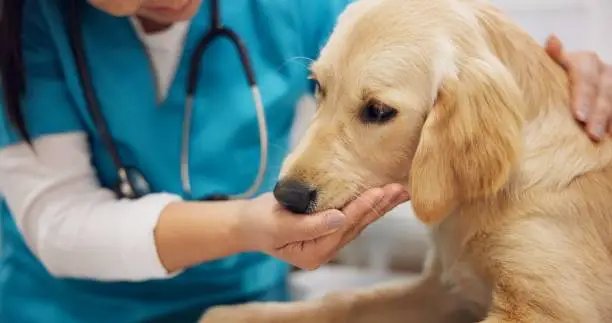
Human health insurance trained people to expect networks, approvals, and billing behind the scenes. Pet insurance reimbursement model flips that around. You pay the veterinary fees first. Then you submit a claim.
This setup keeps clinics independent. It also avoids delays in care while insurers debate coverage. Some owners don’t love it, but many vets prefer it. If you’re trying to compare this to human coverage, a basic health insurance guide helps show why the two systems grew apart.
Vets that Don’t Take Pet Insurance and Why that Phrase Exists
You’ll see listings online claiming certain vets don’t take pet insurance. Usually that means they don’t do direct billing or cashless vet treatment pet insurance arrangements. They still treat insured pets. They just don’t interact with insurers beyond medical records.
Why some vets don’t accept pet insurance directly often comes down to time and staff. Smaller clinics don’t want extra admin work. Emergency vets pet insurance questions get even trickier because speed matters more than paperwork.
Direct pay pet insurance vets and the small exceptions
A few insurers partner with clinics for pet insurance direct billing. In those cases, you may only pay your share at checkout. These arrangements are growing, but they’re still limited by location and provider. Cashless vet treatment pet insurance sounds ideal, and it can be, but it’s not universal. Many specialist vets pet insurance plans don’t qualify for direct pay yet. Owners sometimes switch clinics chasing this benefit, then realize care quality and availability matter more.
How Paying Vet Bills with Pet Insurance Usually Plays Out
Most visits follow the same rhythm. Exam, treatment, invoice. You pay upfront. Later, you upload documents through the pet insurance claim process. The insurer reviews the claim and reimburses based on coverage. Upfront payment pet insurance surprises new buyers. It’s also where budgeting matters. Insurance helps, but it doesn’t remove the need for cash at the moment care is needed. That’s something policies don’t always explain clearly.
Coverage Limits and the Fine Print People Skip
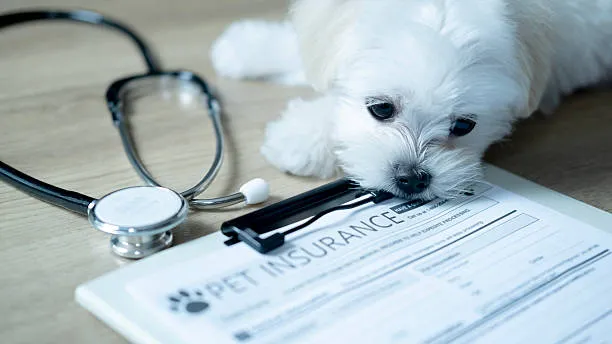
Pet insurance coverage at vet clinics depends on what your policy allows. Some plans exclude certain conditions. Others cap annual payouts. Pet insurance limitations at vets often show up with chronic issues or specialist referrals.
This is where owners assume insurance automatically protects your property in this case, their pet against every cost. Real life is messier. Claims can be reduced or denied if conditions existed before coverage started.
In-network vs out-of-network Vets Pet Insurance Confusion
Most pet insurance plans don’t have networks. You can usually use pet insurance accepted everywhere, at least in theory. Any licensed vet qualifies. That’s why people ask, can you use pet insurance at any vet? The answer is mostly yes, as long as the treatment fits the policy.
Some providers still label preferred vets pet insurance partners for perks like faster processing. That doesn’t mean other clinics are excluded. The language just trips people up.
Emergency and Specialist Care Realities
Emergency vets pet insurance claims often involve larger bills. Reimbursement matters more when costs spike. Specialist vets pet insurance coverage can vary widely, especially for advanced diagnostics or long-term rehab.
Owners tend to assume insurance smooths these situations. It helps, but paperwork delays can still happen. Many frustrations here come from expectations shaped by shocking insurance myths rather than real policy behaviour. Also, learn about what is group of coverage in health insurance.
A simple look at how vets and insurance interact
| Vet Situation | Do You Pay Upfront | Does Insurance Pay the Vet | Typical Outcome |
|---|---|---|---|
| Regular clinic visit | Yes | No | Owner files claim |
| Emergency clinic | Yes | Rarely | Partial reimbursement later |
| Direct pay partner clinic | Sometimes partial | Yes | Reduced upfront cost |
| Specialist referral | Yes | No | Higher reimbursement stakes |
Choosing a Vet with Pet Insurance in Mind
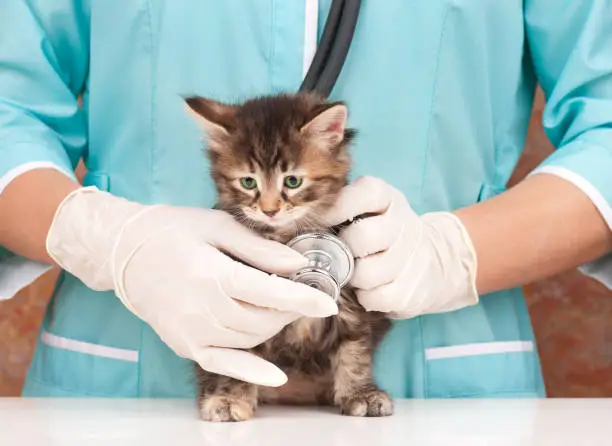
Some people look specifically for pet insurance friendly vets. That usually means clinics familiar with claims paperwork, not clinics that handle billing for you. Asking staff about documentation support helps more than asking if they “take” insurance.
Choosing a vet with pet insurance expectations aligned saves stress later. It’s less about acceptance and more about communication.
Pet insurance vs vet payment plans
Payment plans come from clinics, not insurers. Pet insurance and veterinary fees operate separately from these arrangements. Some vets offer installments. Others don’t. Insurance reimburses regardless, but timing matters. Owners sometimes confuse the two, thinking insurance replaces payment plans. It doesn’t. They solve different problems.
Final Thoughts:
Not in the way people expect, and not in the way human insurance works. Most vets treat insured pets without issue. They just don’t bill insurers directly. Understanding that single distinction changes the whole conversation. Pet insurance is still useful. It softens financial shocks and helps long-term planning. It just doesn’t remove the need to pay first and ask questions later. Once that reality sinks in, the system feels less frustrating and a lot more predictable.